The Dinosaur Legacy: Why Do Humans Age While Reptiles Stay Young?
2026-01-25
The Dinosaur Legacy: Why Do Humans Age While Reptiles Stay Young?
When discussing death, many people often associate it with the helplessness and pain brought about by aging. But have you ever wondered if this phenomenon of "late-life misery" is actually not universal in nature? Among amniotes, regardless of metabolic rate or intelligence levels, it is primarily us mammals who truly exhibit distinct "signs of aging." Other species do not seem to suffer from this so-called "late-life pain."
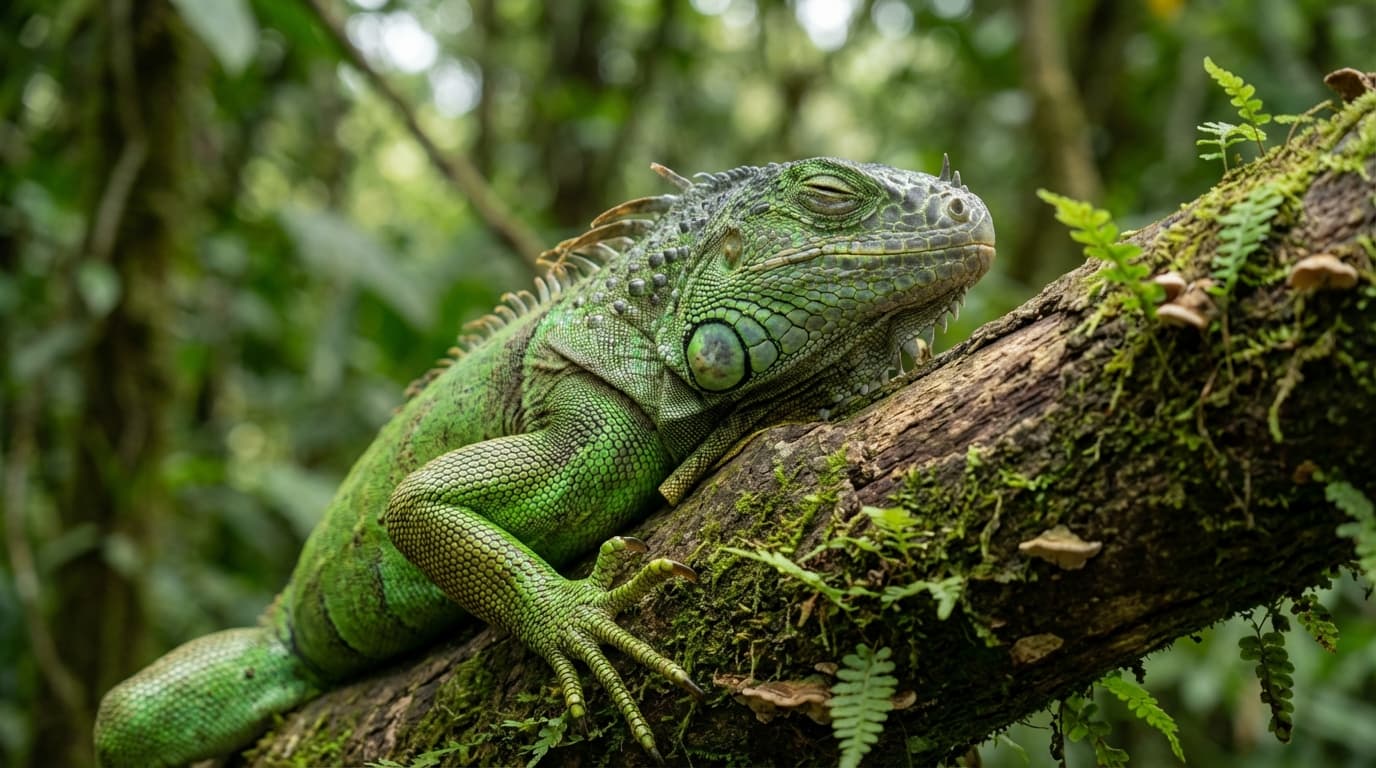
A scientific study in 2022 revealed the answer to us. By collecting field data from nearly two hundred species of reptiles and amphibians worldwide, researchers found that about three-quarters of these species age extremely slowly, sometimes even negligibly. Their probability of death does not increase with age. This means that if an animal's mortality rate is 1% at the age of 10, it remains 1% even if it lives to 100, which is completely different from mammals.
Taking sauropsids as an example, there is no clear boundary between their prime and old age. If we compared them to humans, it would be equivalent to a person entering their prime at age 3 and maintaining peak physical fitness until age 97, with bodily functions only declining rapidly in the final few years of life. This physiological mechanism allows them to enjoy a long prime without having to endure the suffering of illness during decades of aging as humans do.

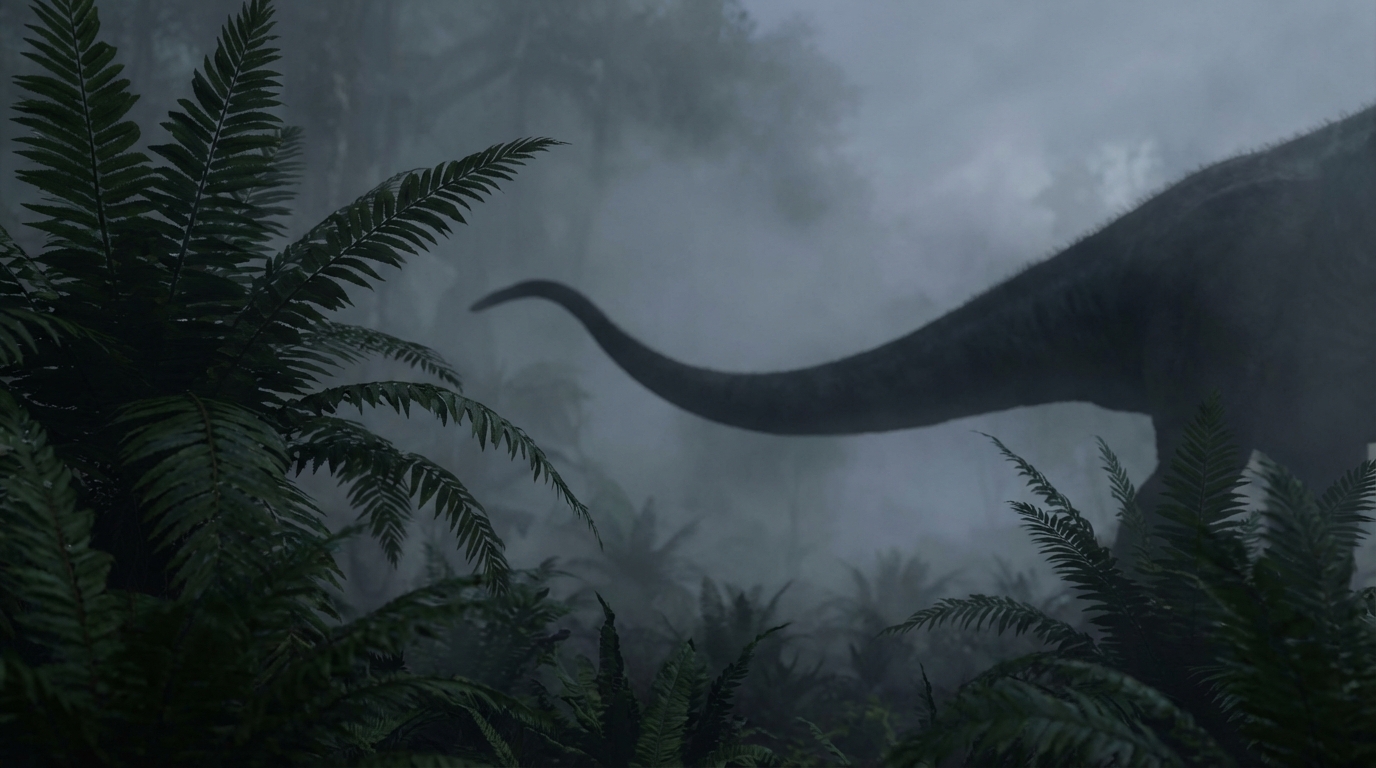
Why are the lives of mammals so short and accompanied by aging? This is mainly attributed to the "longevity bottleneck hypothesis." During the more than 100 million years when dinosaurs ruled the Earth, in order to survive under the pressure of giant beasts, the ancestors of mammals were forced to choose a survival strategy of "early maturity, frequent reproduction, and rapid turnover." Living at the bottom of the ecological niche, longevity was meaningless for mammals at that time because they were likely to be eaten by predators before they grew old.
Under this brutal evolutionary pressure, mammals not only lost longevity genes but also the ability to infinitely regenerate teeth, trichromatic vision, and the photolyase system that protects DNA. To conserve energy and avoid competition, our ancestors were mostly nocturnal. Although this "fast-forward" pace of life helped mammals survive the era of dinosaurs, it also became an indelible genetic imprint in our genes, leading to the pain of aging that we must face today.

Even though non-avian dinosaurs have been extinct for tens of millions of years, this evolutionary imprint still deeply affects modern mammals. From the microscopic genetic level to macroscopic physical manifestations, we all show clear aging trajectories, such as muscle atrophy, sagging skin, and declining physical strength. Meanwhile, those reptiles and birds that escaped this evolutionary bottleneck still continue their long-lived and healthy lifestyles, aging gracefully and leisurely in the natural world.