
Fair Play or Foul Mood? The Secret Science of Animal Inequity Aversion
2026-01-24

Fair Play or Foul Mood? The Secret Science of Animal Inequity Aversion
Many people often wonder whether animals also possess the ability to perceive unfairness. Suppose you have two dogs: if you feed one a delicious chicken leg every day but only give the other ordinary dry food, will the one receiving poorer treatment harbor resentment? To investigate this phenomenon, scientists have conducted a series of vivid and interesting experiments. The most famous of these is the capuchin monkey experiment. In the study, two monkeys were required to complete a simple task—handing a small stone to a researcher in exchange for food. Initially, both monkeys received cucumbers; they were very cooperative and ate happily.
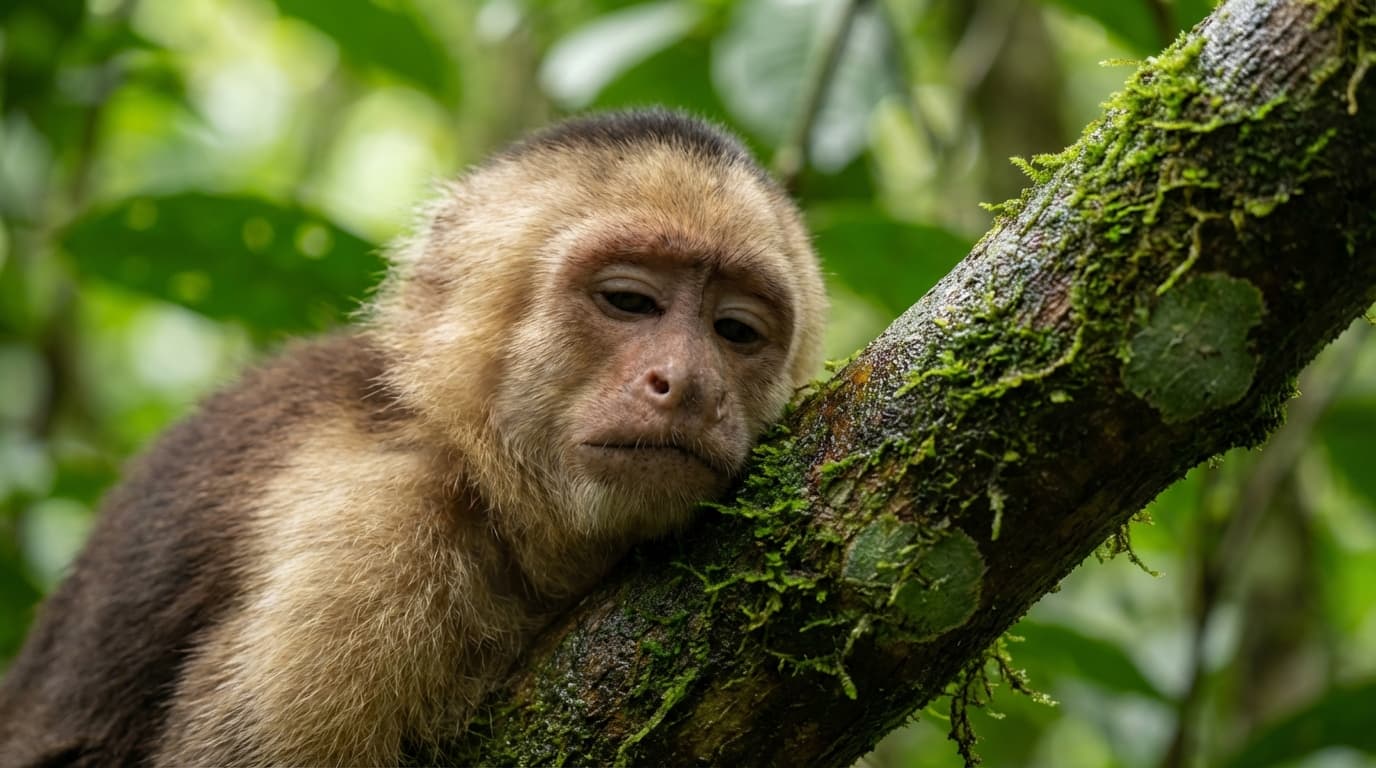
However, the situation changed when the distribution method was altered. When one monkey saw its companion exchange the same effort for sweeter grapes while it still only received a cucumber, it immediately showed strong dissatisfaction. It paused for a moment, then angrily threw the cucumber at the researcher and shook the cage vigorously in protest. This phenomenon is known in the scientific community as "inequity aversion," meaning that when an individual perceives they have put in the same effort but received a lower reward, they develop a strong sense of resistance.
But does this anger stem from "jealousy" toward a companion or from disappointment caused by a "psychological gap"? Subsequent research has proposed different views. Scientists found that even without a companion involved, simply letting a monkey see grapes it cannot have causes it to show frustration when receiving a cucumber instead. Furthermore, animal protests are often directed at the distributor. If they feel the researcher, as a "partner," is untrustworthy and has not provided the expected reward, they will refuse to continue cooperating. This indicates that animal social cognition is far more complex than we imagined.
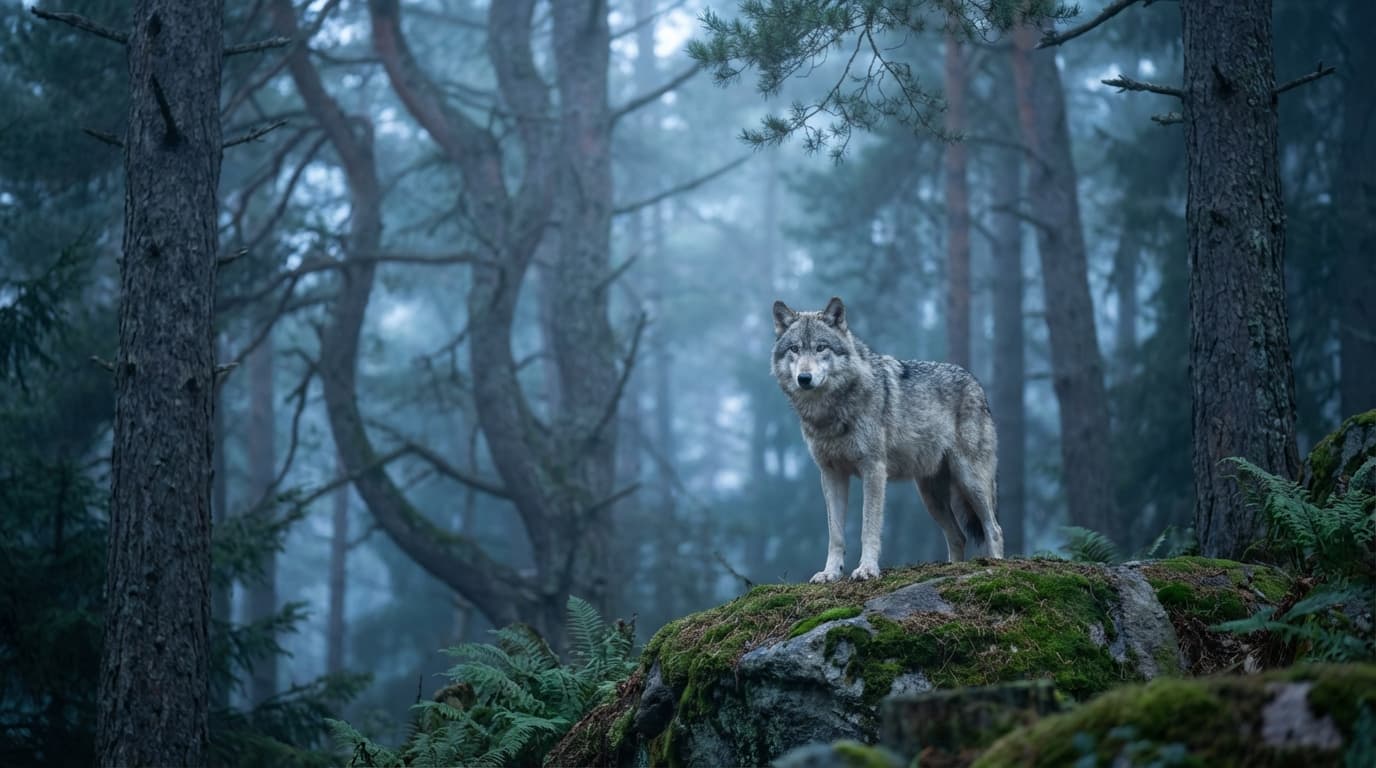
For the pet dogs we are familiar with, the situation is slightly different. Experiments show that dogs do care about whether they receive a reward; if a companion is rewarded and they are not, they will quickly stop cooperating. Interestingly, however, dogs do not seem to mind the specific quality of the reward much—even if their companion eats sausages while they eat bread, they usually accept it. In contrast, wolves are much more sensitive. Wolves not only hate receiving nothing but will also go on "strike" if their reward is inferior to their companion's. This sensitivity to fairness likely stems from the survival instincts of their common ancestors during highly cooperative activities in the wild.
It is not just canines; highly intelligent birds like crows and ravens also have extremely high standards for "fairness." If they find that a companion can "get something for nothing" while they must work hard for the same reward, they will immediately stop the exchange. Even more surprisingly, even rats will actively avoid options that let a companion take advantage, preferring fair distribution outcomes. For these social species, being concerned about "fairness" is actually a protective mechanism that helps them identify and avoid unreliable partners, preventing themselves from being cheated.
In summary, inequity aversion is essentially a "cooperation quality detector" for social animals. Cooperation is key to the survival of many species, but it also carries the risk of others "free-riding." By comparing effort and reward, animals can promptly evaluate whether a cooperative relationship is worth maintaining. If the scales are unbalanced for a long time, they will choose to cut their losses and seek better partners. Therefore, species that are particularly sensitive to fairness are often those that need to rely on sophisticated cooperation to survive in nature.