The Hidden Giant: Are We Ready for a Galactic Collision 2.5 Million Years in the Making?
2026-01-26
The Hidden Giant: Are We Ready for a Galactic Collision 2.5 Million Years in the Making?
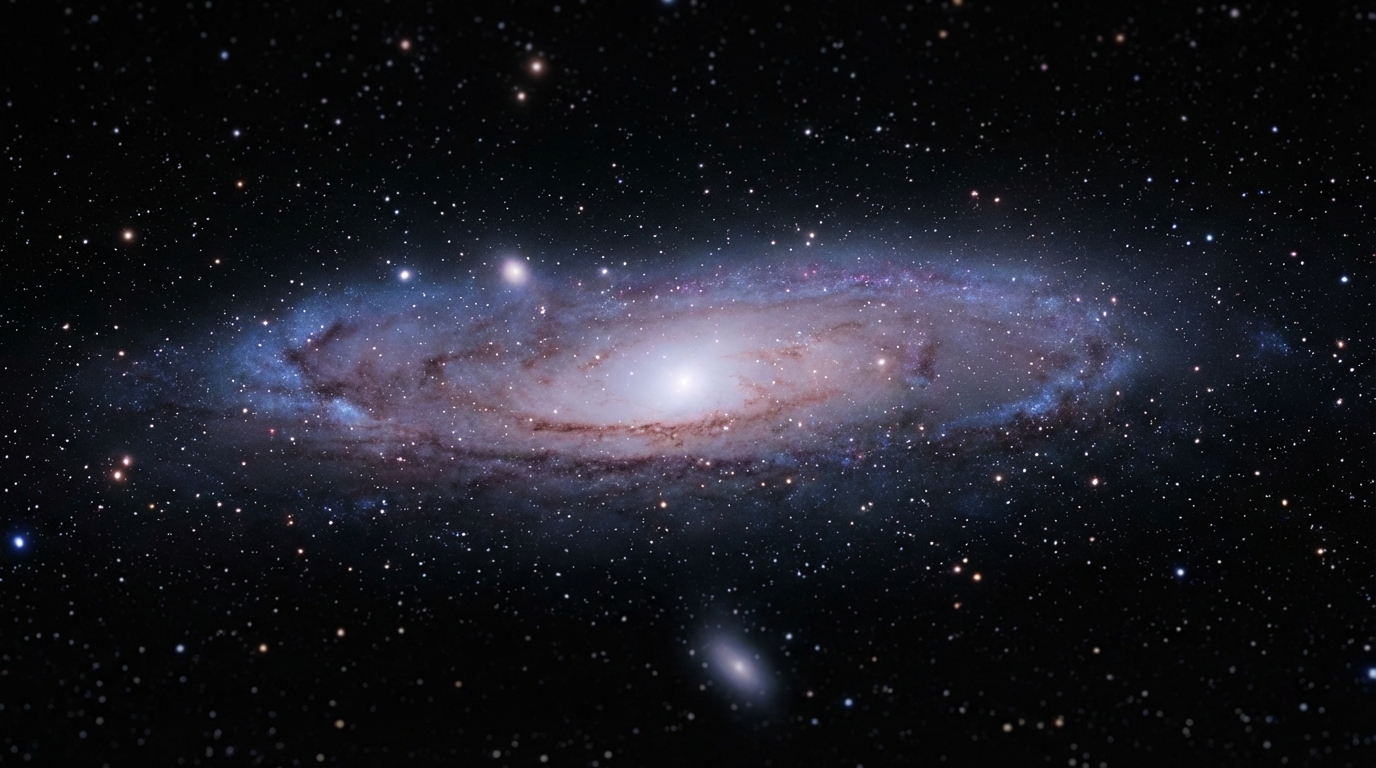
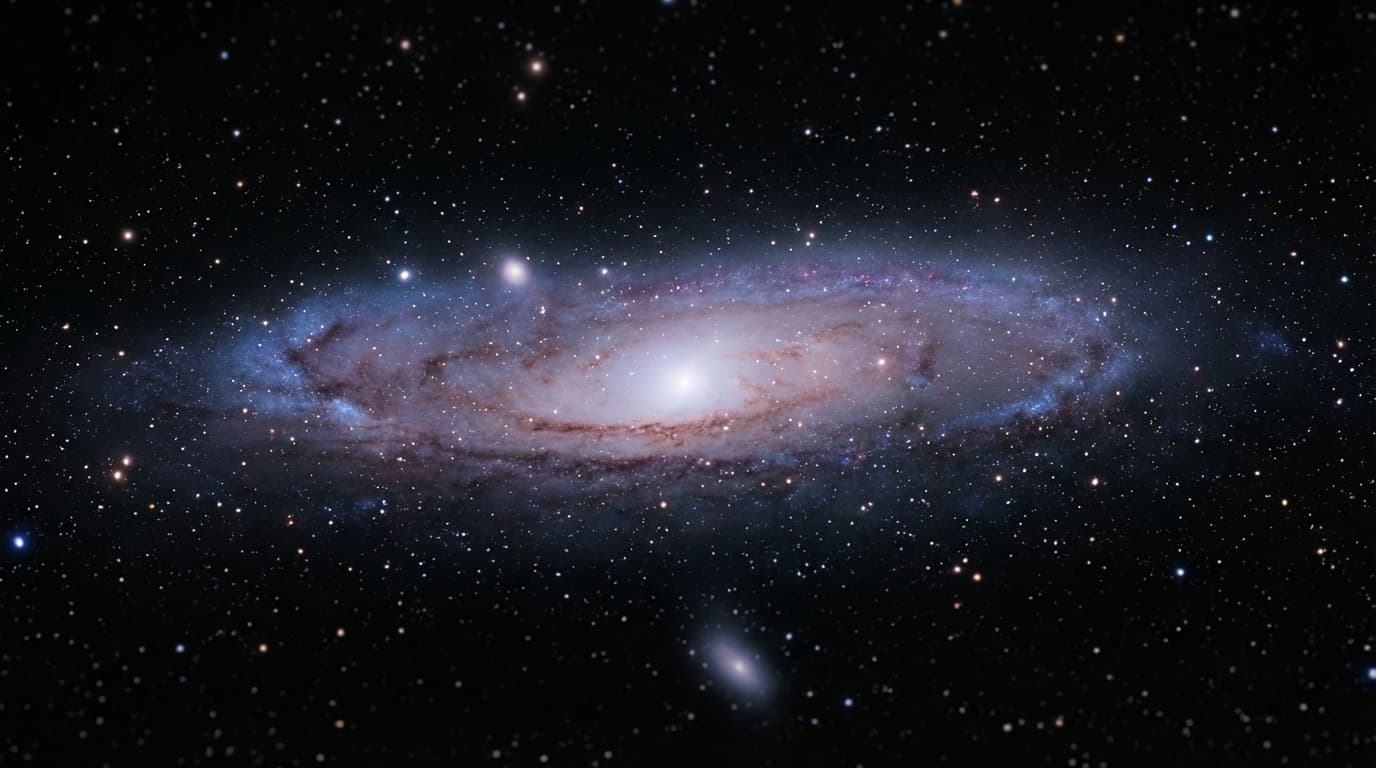
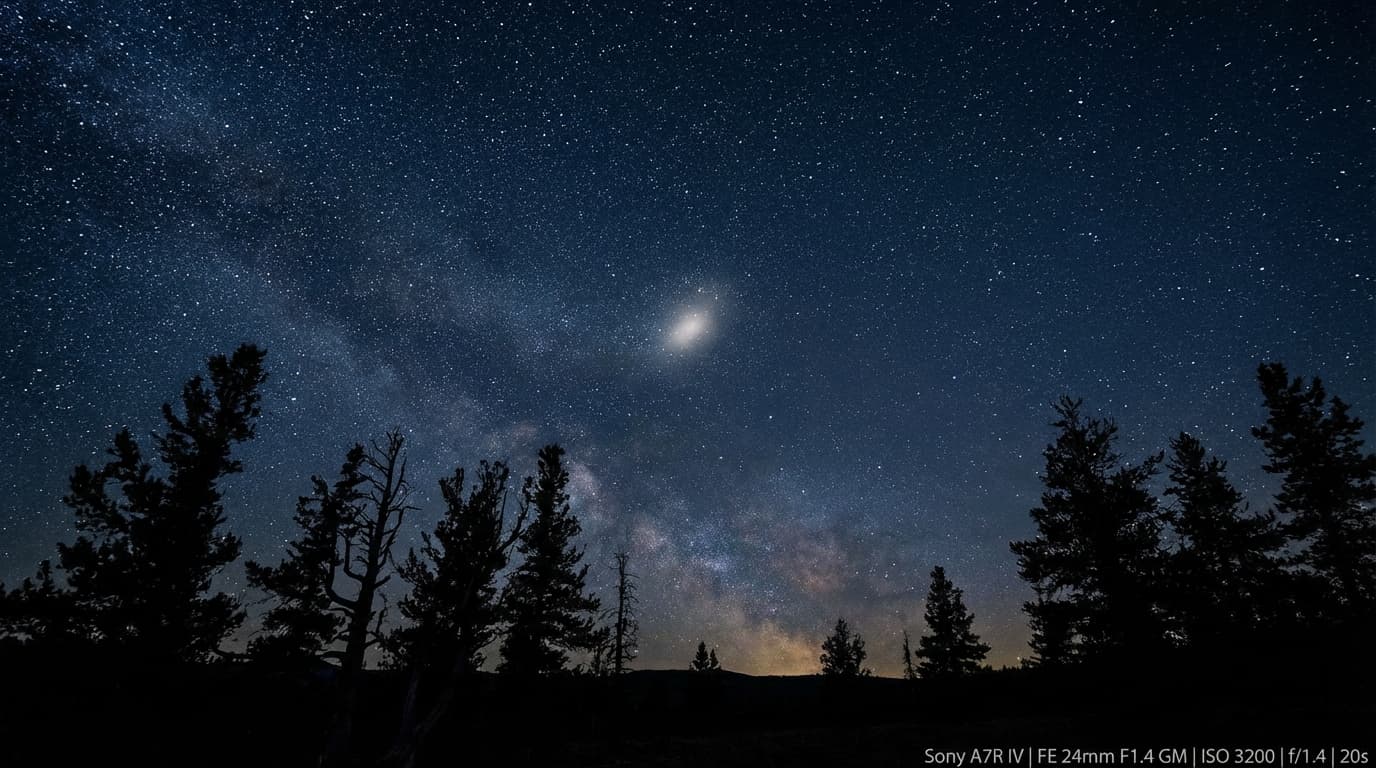
Imagine looking up at the starry sky on a clear night free of light pollution. Amidst the countless twinkling stars, there is a faint, fuzzy patch of light. It appears unremarkable, but it is actually the most distant object visible to the human eye—the Andromeda Galaxy. This is no ordinary star, but a magnificent cosmic wonder located at an immense distance from us.
Before that, we must first understand our own “home.” The vast majority of stars we see in the night sky are actually “neighbors” within the Milky Way, located only tens to thousands of light-years away. The Andromeda Galaxy is entirely different; it is like a “visitor” from the depths of the universe, existing independently in a remote location outside the Milky Way.
For a long time, people did not know what this fuzzy point of light truly was. Astronomers once treated it as an ordinary nebula, thinking it was merely an ornament within the Milky Way. It wasn't until 1924 that the famous astronomer Hubble used the most advanced telescope of the time to observe "Cepheid variables" within it and calculate its distance. This discovery fundamentally changed humanity's view of the universe: it turned out the Milky Way was not the entirety of the universe, and the world outside was staggeringly vast.
Subsequent research revealed that the Andromeda Galaxy is not only further away but also even more majestic than our own home. Its diameter is approximately 220,000 light-years, and it contains as many as 1 trillion stars, nearly two to three times that of the Milky Way. It is a true "cosmic behemoth." Despite its extreme distance, modern telescopes allow us to clearly see each densely packed star within it, a truly breathtaking sight.
On Earth, if you go to a remote countryside, you can indeed see this galaxy. It looks like a small, faint patch of mist, appearing very tiny. However, this is actually an illusion. Because most of its regions are too dim, our eyes can only see its core and brightest parts. If it were fully illuminated, its area in the night sky would be equivalent to six or seven full moons lined up together, making it a veritable 'hidden giant.'
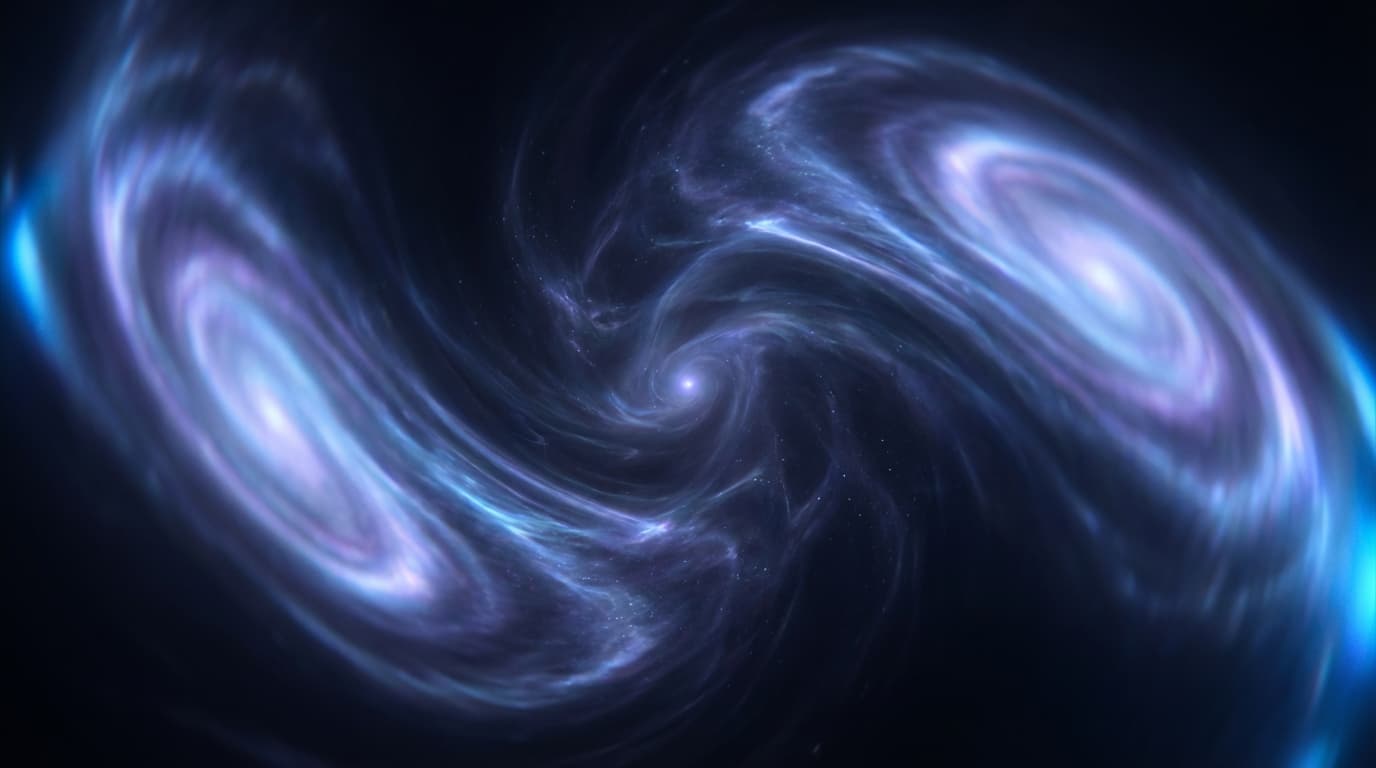
Scientists have determined that the Andromeda Galaxy is approximately 2.5 million light-years from Earth. This means that light leaving there takes 2.5 million years to reach our eyes. So what you see now is actually what it looked like 2.5 million years ago. At that time, human ancestors were just beginning to learn to walk upright on the ground. For humanity, this is not just a gap in space, but also a span of time.
Even more surprisingly, this massive entity is not static; it is rushing toward us at a staggering speed. Astronomers have observed that it exhibits a "blue shift," indicating that it will one day collide with the Milky Way. In about 4 billion years, these two giant galaxies will begin to intersect and collide. Although the vast spaces between stars will prevent a direct 'car crash' style destruction, powerful gravitational forces will tear the originally orderly galactic structures to pieces.
Ultimately, in about 6 billion years, Andromeda and the Milky Way will merge into one, forming a brand-new, even larger elliptical galaxy. If humanity still exists then, what they see looking up will no longer be the familiar Milky Way, but a massive reshuffling of stars across the sky created by the merger of the two galaxies. This cosmic dance, lasting billions of years, is actually quietly beginning right now.