


忠言逆耳 — “Honest advice”
忠言逆耳 is a Chinese idiom (chengyu) meaning “Honest advice”. Though it may sound unpleasant to the ear, is beneficial for one's actions and for correcting mistakes. Literally, “Loyal words grate on the ear”.
忠言逆耳 Pronunciation and Pinyin
忠言逆耳 Character Breakdown
Stroke OrderExample Sentence with 忠言逆耳
Origin and Story of 忠言逆耳
In 207 BC, Liu Bang led a large army to capture Xianyang and entered the Qin palace. He was captivated by the numerous beauties and countless treasures and planned to stay and enjoy them.
Fan Kuai advised him to prioritize the empire's welfare. Liu Bang dismissed his words.
However, his strategist Zhang Liang pointed out that such indulgence was precisely why the Qin dynasty had fallen, emphasizing that "loyal words may be unpleasant to hear, but they are beneficial to one's conduct." Liu Bang heeded this advice, withdrew his troops, and stationed them at Bashang to await Xiang Yu's arrival.
Idioms Related to 忠言逆耳
Synonyms of 忠言逆耳
More idioms starting with 忠
- zhōng忠bù不kě可jiān兼Cannot serve two masters
- zhōng忠bù不wéi违jūn君The loyal do not go against their lord
- zhōng忠bù不bì避wēi危Loyalty does not avoid danger
- zhōng忠yú于zhí职shǒu守loyal to duty
- zhōng忠xìn信lè乐yì易Loyal, trustworthy, cheerful, and approachable
- zhōng忠hòu厚zhǎng长zhě者kind and honest elder
- zhōng忠jūn君bào报guó国loyal to ruler and devoted to country
- zhōng忠jūn君ài爱guó国loyal to monarch and country
- zhōng忠gào告shàn善dào道sincere advice and kind guidance
- zhōng忠xiào孝bù不bìng并Loyalty and filial piety cannot be reconciled
- zhōng忠xiào孝liǎng两quán全loyal to country and filial to parents
- zhōng忠xiào孝shuāng双quán全perfect in loyalty and filial piety
Recommended tools

Stroke Order Animator
Turn a Chinese character or sentence into a GIF or MP4
Open the tool →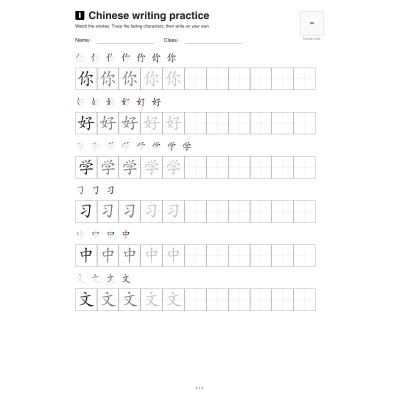
Writing Worksheets
Printable tracing sheets with a QR learning companion
Open the tool →
Picture Worksheets
Chinese and English fill-in vocabulary worksheets
Open the tool →
Character Highlight Animator
Choose character parts and animate their colors, together or in stroke order
Open the tool →Questions about 忠言逆耳
What does 忠言逆耳 mean?
忠言逆耳 (zhōng yán nì ěr) is a Chinese idiom (chengyu) meaning “Honest advice”.
How do you pronounce 忠言逆耳?
忠言逆耳 is pronounced zhōng yán nì ěr in Mandarin Chinese.
What does 忠言逆耳 literally mean?
Literally, 忠言逆耳 means “Loyal words grate on the ear”. It is used to mean “Honest advice”.
Where does 忠言逆耳 come from?
忠言逆耳 comes from a classical Chinese story dating back to ancient China. The full story is on this page.
What is the Chinese definition of 忠言逆耳?
逆耳:不顺耳。正直的劝告听起来不顺耳,但有利于改正缺点错误。