98.43 Meters: How a Simple Piece of Paper Defied Gravity and Shattered Records
2026-01-19
98.43 Meters: How a Simple Piece of Paper Defied Gravity and Shattered Records
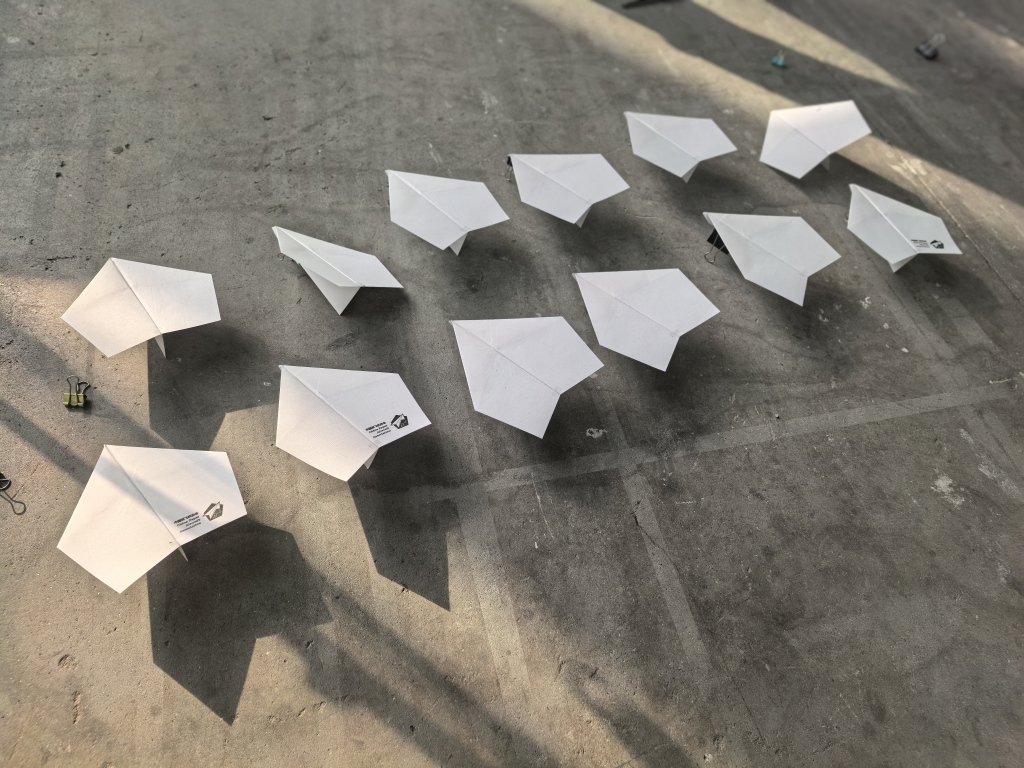
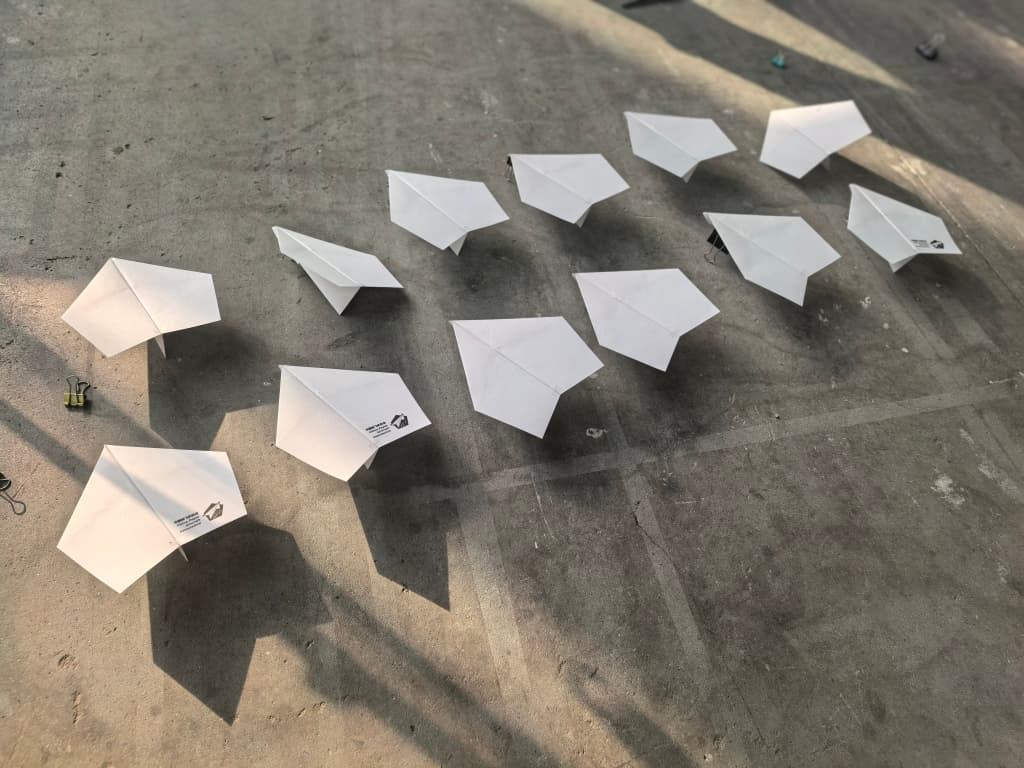
How far can an ordinary piece of A4 paper fly in your hands? A few meters, or a dozen? Recently, a Chinese youth team with an average age of just 17 provided a jaw-dropping answer through their actions: 98.43 meters. This figure not only broke the Guinness World Record but also brought the flight distance of a paper plane close to the 100-meter mark.
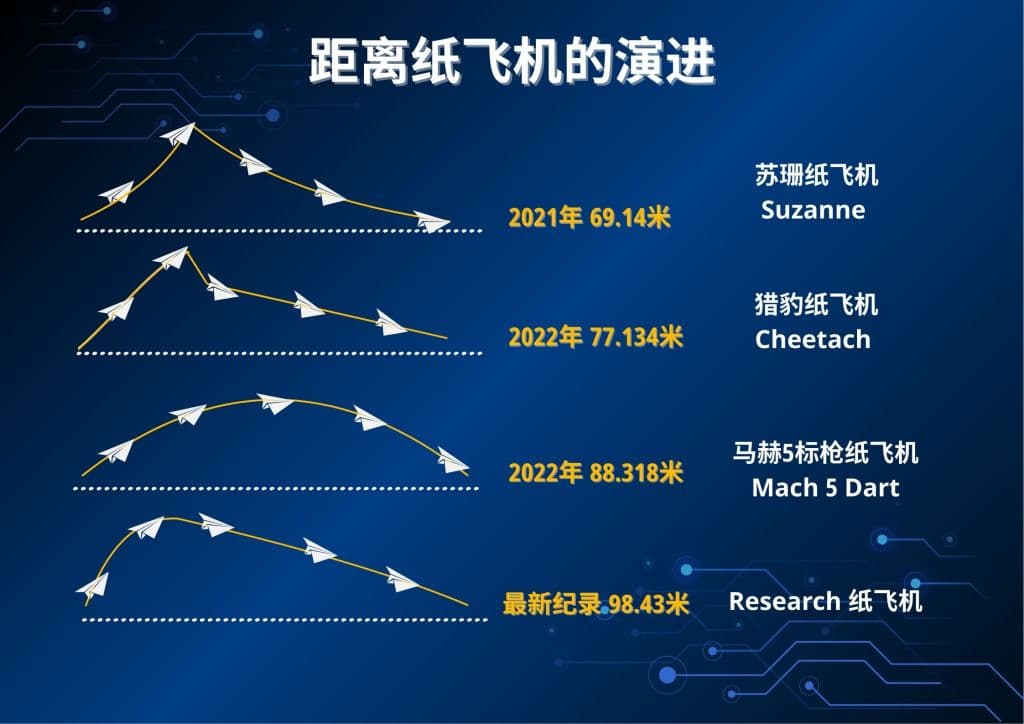
Looking back at the history of this record, from 58.82 meters in 1985 to 88.318 meters set by an American team in 2022, every advancement represents the dedication of enthusiasts worldwide. This time, the group of young Chinese individuals named their design "Research" and wrote their own legend at the competition venue in Shanghai.
This vibrant team consists of six middle school and university students, with the youngest member being only 15 years old. Despite their youth, their division of labor is extremely professional and rigorous: some are responsible for overall coordination, some delve into aerodynamic design, some specialize in high-precision folding, and others handle on-site fine-tuning based on the thrower's condition. This team collaboration model has far exceeded the scope of an ordinary hobby, resembling a precisely controlled scientific experiment.
In many people's eyes, playing with paper planes is just a child's game. However, core member Liu Liwen believes that this challenge actually has a "very low entry barrier but a very high ceiling." Making a paper plane fly nearly 100 meters is not just about brute force; it is a comprehensive interplay of paper material, structural mechanics, and throwing techniques. To seek a breakthrough, they abandoned traditional thinking and pivoted their design towards a "high-speed gliding type," greatly increasing the initial throwing speed while ensuring flight stability.
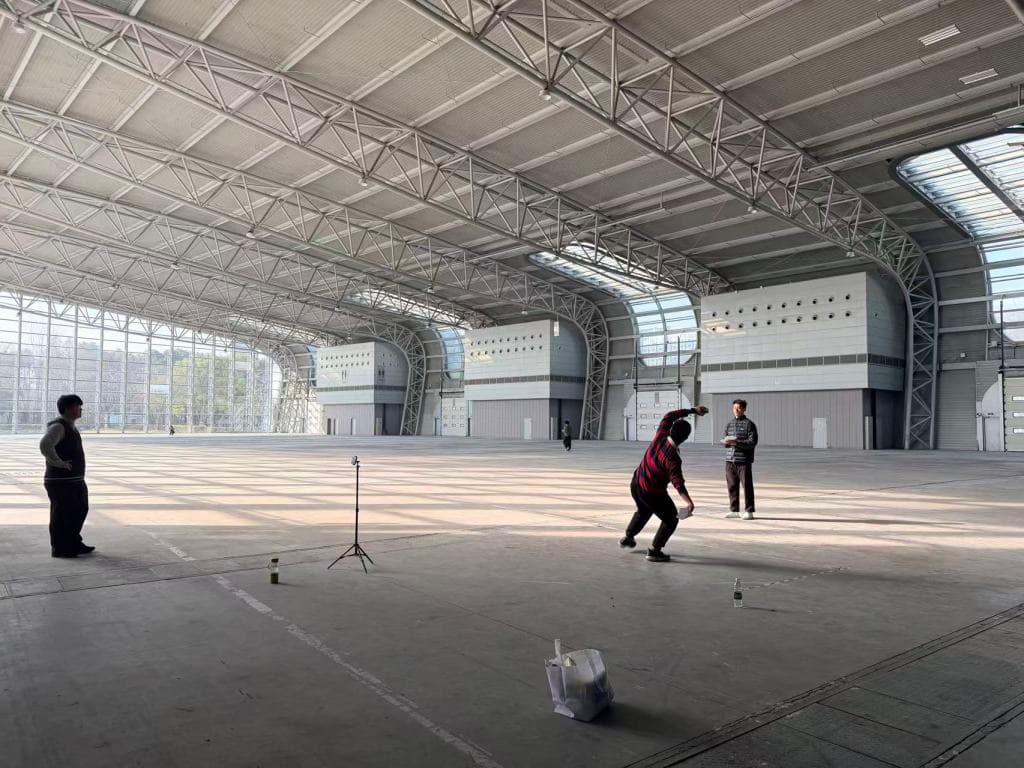
The road to success was not smooth. Before officially breaking the record, the team experienced several failures. During an attempt in October 2025, the paper plane circled back, resulting in a score just a step away from the original record. Facing setbacks, they did not back down but instead used 3D printing technology to create specialized transparent splints, solving the problem of paper planes being prone to moisture and deformation during transportation. This almost harsh pursuit of detail finally paid off with a world-stunning throw on December 28th at the Shanghai Jiading Automobile Exhibition Center.
When the paper plane glided steadily through the sky and finally settled at 98.43 meters, the atmosphere at the scene was instantly ignited. Initiator Yang Shi'an remarked that the core significance of this challenge lies in "humanity's exploration of the limits of simple things." A thin sheet of paper, under systematic engineering practices, can also release immense energy.
Although Liu Liwen believes that breaking the 100-meter mark is theoretically possible, the team is currently in no rush to start the next round of sprinting. Looking back at the past two years of preparation, everyone agrees that the more valuable harvest is the experience of moving from "working alone" to "systematic collaboration," rather than the world record certificate itself. This spirit of continuous iteration and pursuit of excellence, guided by interest, is the source of power that supports them in flying further.