
Why Does Winter's Chill Start in Siberia and Not the North Pole?
2026-01-11
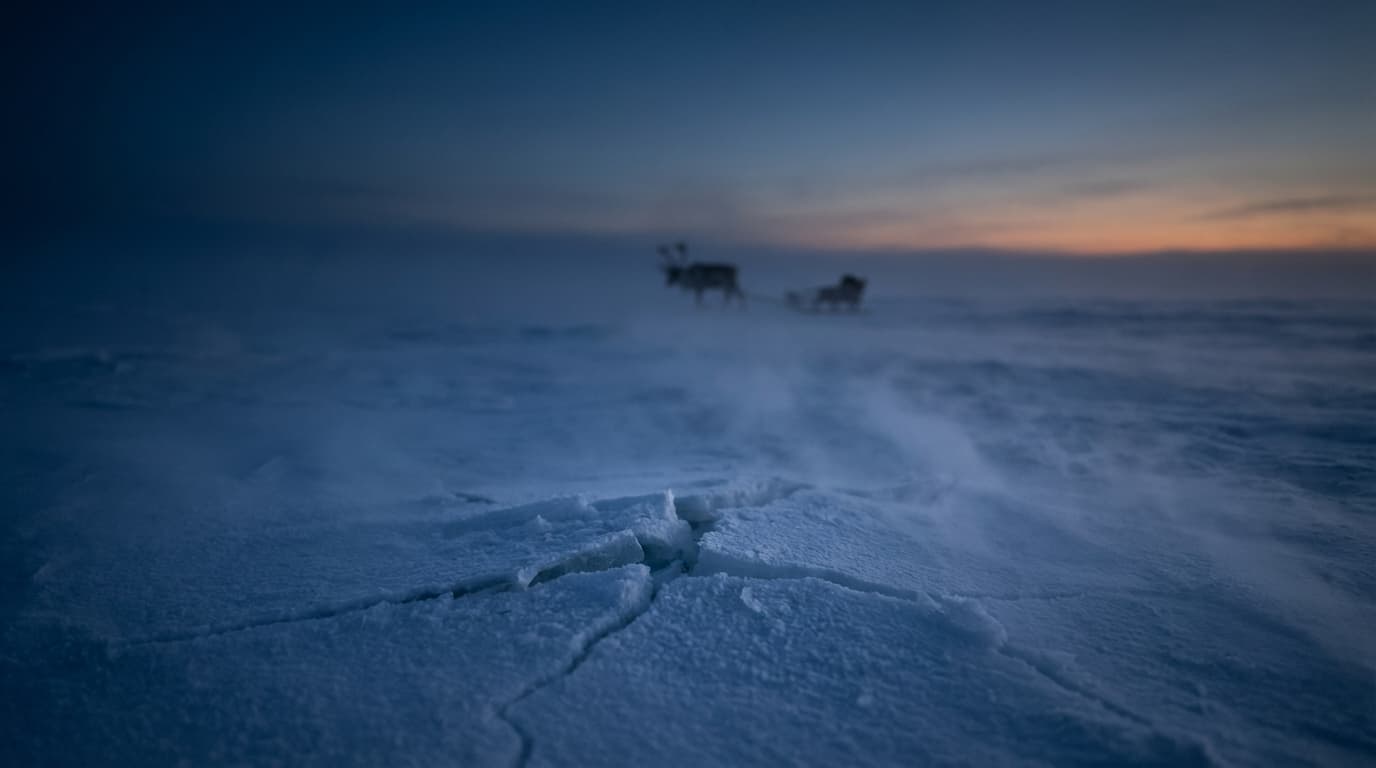
Why Does Winter's Chill Start in Siberia and Not the North Pole?
You might have noticed that every winter, weather forecasts always mention "cold air from Siberia." This makes many people curious: why do cold waves always start from Siberia instead of the North Pole further north? What special status does West Siberia actually have in meteorology?
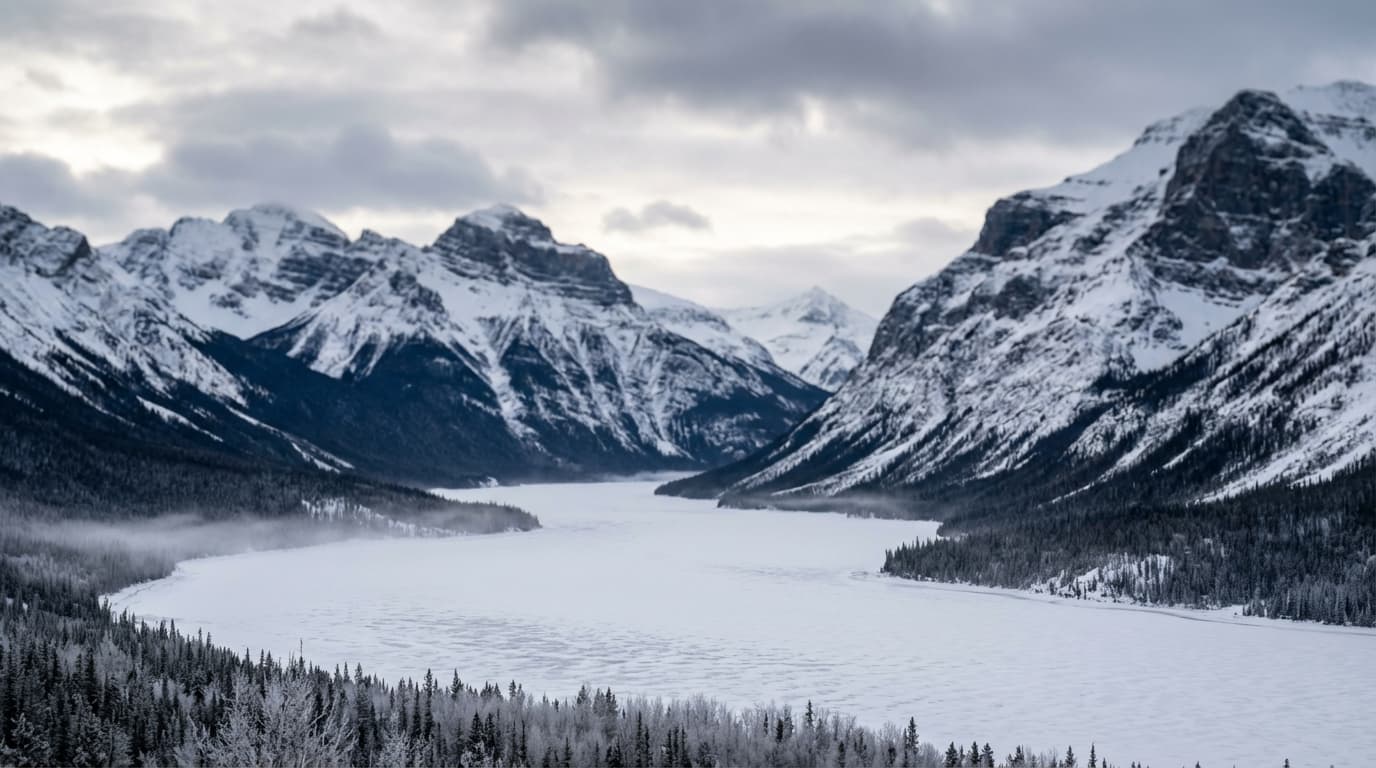
First, West Siberia's geographical structure is very special, acting like a "natural giant ice cellar." The West Siberian Plain is vast and surrounded by mountains and plateaus, forming a relatively closed terrain. This terrain is like a giant dustpan with its opening facing the North Pole, allowing polar cold air to enter easily but making it difficult to exit. Since warm air from the south is blocked by mountains, the cold air here continues to accumulate, becoming increasingly colder.
Second, the properties of land and ocean differ. Land dissipates heat much faster than the ocean. By winter, deep inland regions like West Siberia quickly lose the meager heat stored during summer. Furthermore, West Siberia's high latitude results in long polar nights with almost no sunlight. Without solar heat, the ground surface is like a bank account with only withdrawals and no deposits, leading to a severe energy deficit.
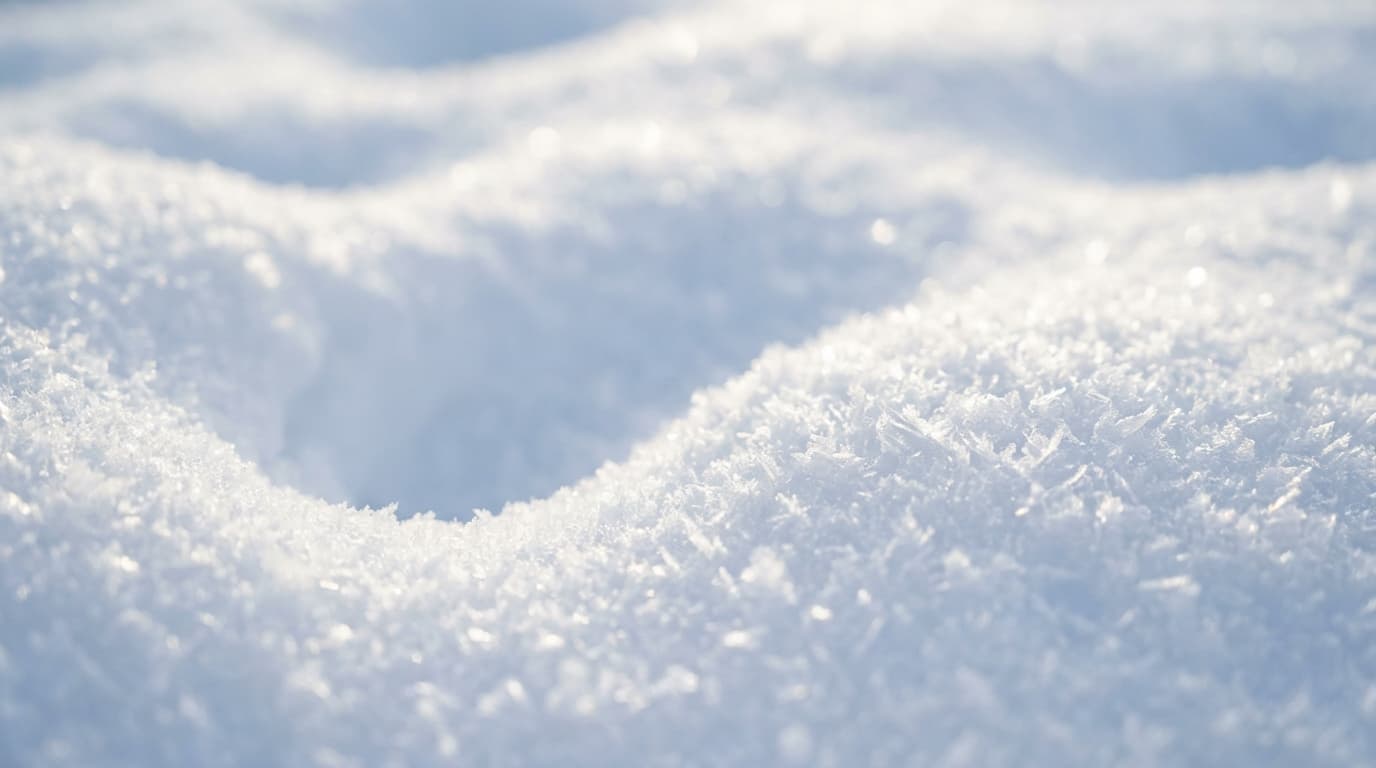
Another important reason is snow cover. Throughout the long winter, all of West Siberia is covered in thick white snow. The snow surface acts like a giant mirror, reflecting weak sunlight directly back into space. Consequently, the ground cannot absorb heat, causing temperatures to drop further. This "cooling-snow-reflection-colder" cycle can easily drop temperatures to minus 50 degrees Celsius or lower.
However, low temperatures alone are not enough; cold air must "move" to form a cold wave. In meteorology, a powerful "Siberian High" forms here. As air cools, its density increases and it contracts downward, leading to higher surface pressure. This high-pressure system acts like a massive "cold air warehouse" storing extreme cold. When atmospheric circulation changes, the doors of this warehouse open, and the cold air pours southward like a flood.
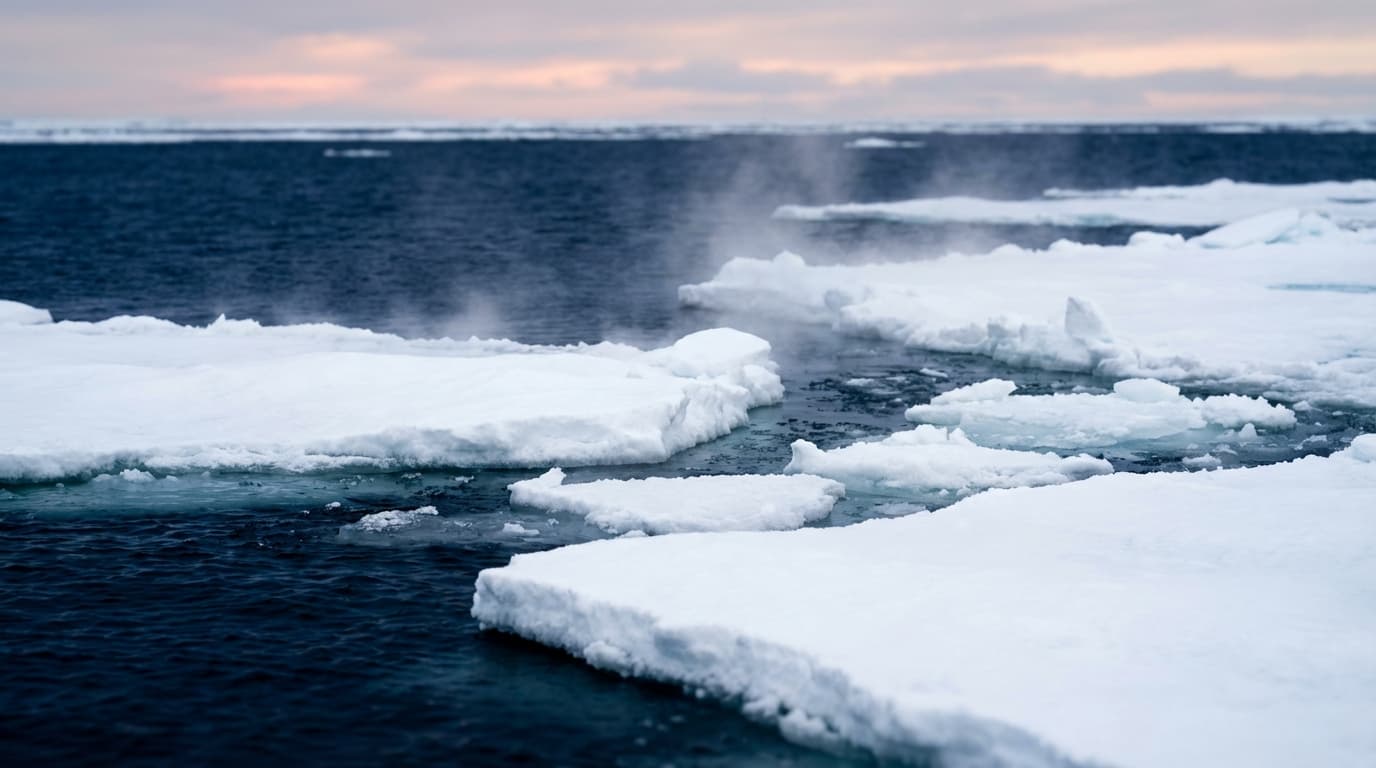
So, why is the North Pole not as cold as Siberia? The truth is actually very simple: beneath the North Pole lies the ocean. Although there is a thick layer of ice on the water's surface, the seawater beneath the ice is actually much "warmer" than the land. Seawater can release heat, preventing the air from becoming extremely cold. Therefore, while the North Pole is cold, dry inland places like West Siberia, which completely lack seawater regulation, are the true "cold factories."
In conclusion, due to its unique geographical location, terrestrial characteristics, and the coordination of atmospheric circulation, West Siberia has become the world's coldest source of cold air. Amidst global climate change, understanding this mysterious land not only helps us accurately predict tomorrow's weather but also better prepares us for potential extreme climate events in the future.