
The Island Paradox: Why the Hunter Might Perish Before the Hunted
2026-01-15
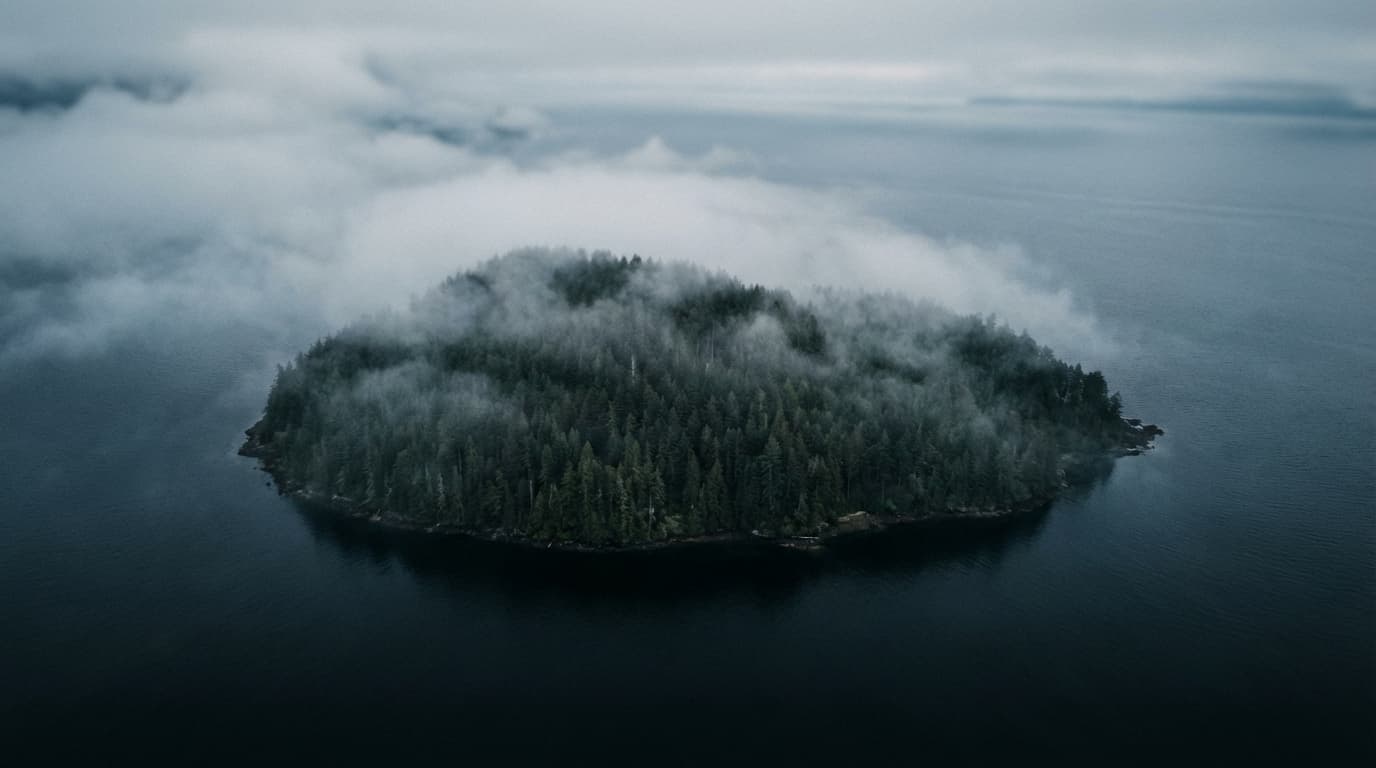
The Island Paradox: Why the Hunter Might Perish Before the Hunted
If 20 wolves and 500 deer were placed on a completely isolated island, who would survive in the end? The answer might surprise you: without external intervention, the wolves are more likely to succumb first due to food scarcity. In this closed system, the predator's fate is tightly bound to the prey's population. Once the deer population is suppressed to a certain level, the wolf pack will stop breeding due to hunger, or even resort to intraspecific competition, eventually leading to their extinction.
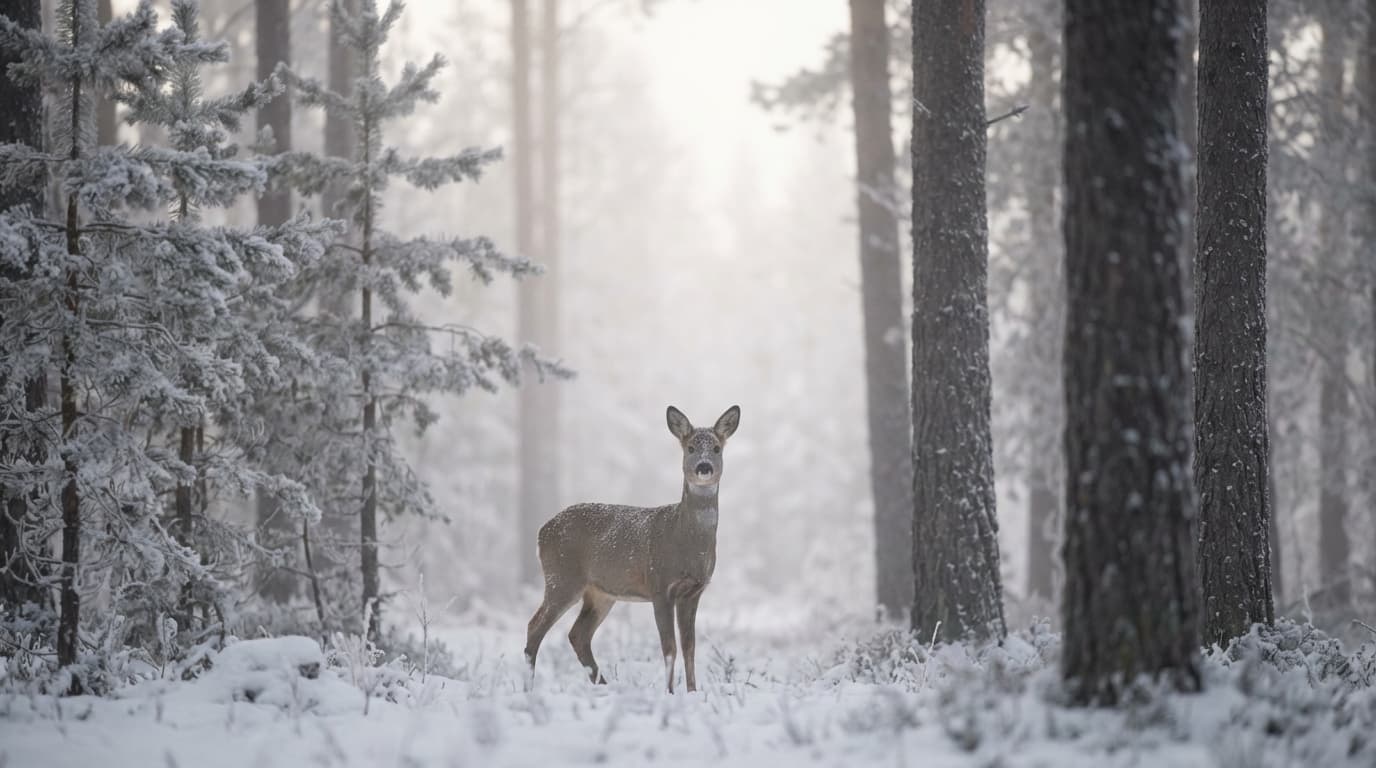
We can refer to the famous Isle Royale case. Throughout decades of observation, scientists found that population changes in deer always precede those in wolves. When resource pressure is high or severe winters strike, deer die in large numbers, and subsequently, the wolf population shrinks rapidly due to hunting difficulties. This lag indicates that in an isolated island environment, wolves are not absolute controllers but are instead led by the energy supply. More fatally, due to a lack of genetic exchange, island wolf populations often fall into the trap of inbreeding, leading to a decline in population quality and eventual loss of ecological function.
So, if there were no predators on the island, would the deer population be safe and sound? The history of St. Matthew Island tells us otherwise. In the absence of natural enemies, the reindeer population once showed explosive growth, but it was precisely this uncontrolled expansion that made the island's ecosystem extremely fragile. An extreme winter combined with overgrazed vegetation could cause thousands of reindeer to be wiped out in a short time. This demonstrates that herbivores lacking natural enemies are equally likely to cause a total system collapse due to resource depletion.
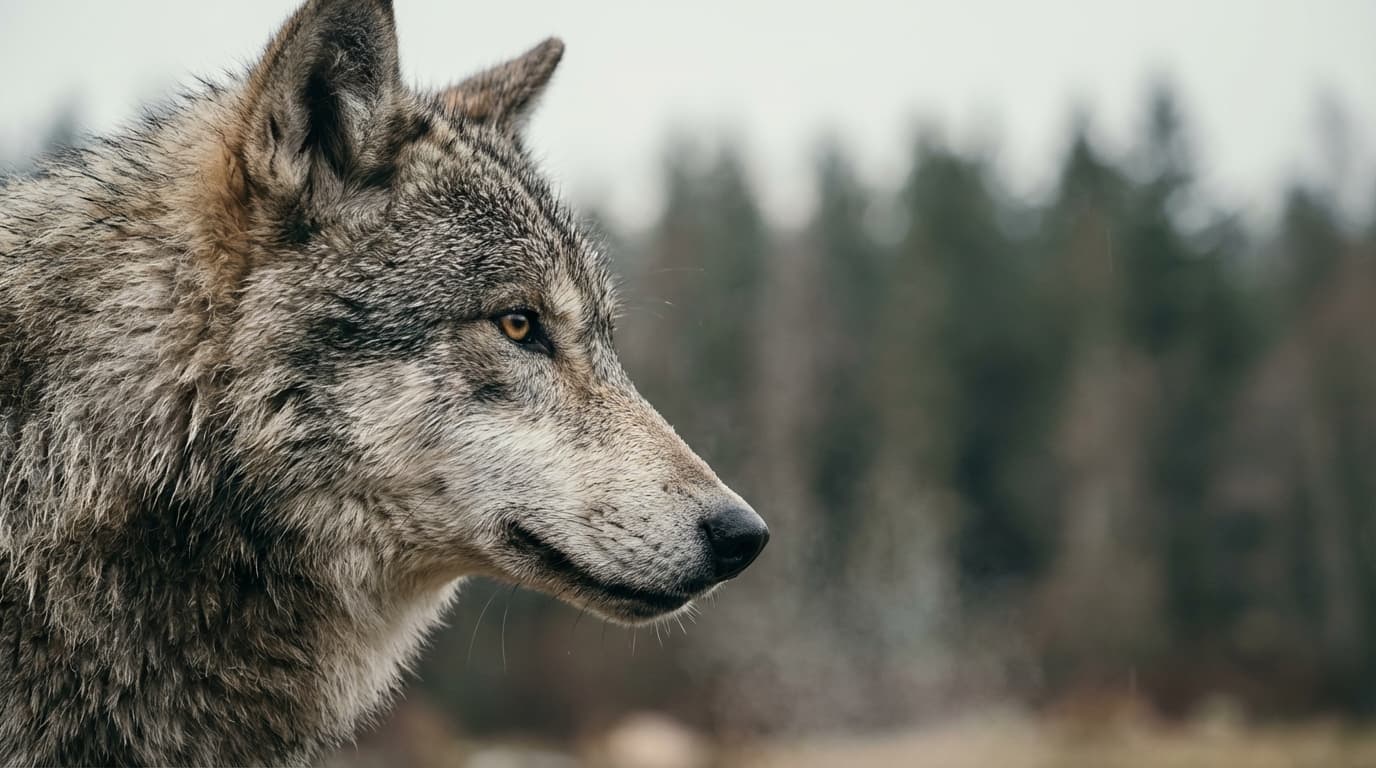
However, there isn't just one possible outcome. On Pleasant Island in Alaska, wolves demonstrated remarkable adaptability. When the deer on the island were consumed, the wolves did not starve but turned their predation to sea otters and seals. This "marine subsidy" broke the original energy isolation, allowing the wolf population to maintain a high density even when deer were nearly extinct. This situation is known in ecology as "apparent competition," where the presence of alternative food sources makes the predator's pressure on a certain prey irreversible.
Returning to the initial setting, if we perform a simple mathematical calculation, 20 wolves need to kill approximately 350 to 400 deer per year to meet basic survival needs. However, the annual net growth of 500 deer is far from enough to offset this consumption. This means that within a few short years, the deer population would collapse. Without alternative food sources, the wolf pack would follow suit, experiencing famine and infighting. Therefore, in a pure terrestrial island system, the wolf population is often the first to crash, while the remaining few dozen deer might survive and repopulate after the wolves have disappeared.