


指桑骂槐 — “To make indirect accusations”
指桑骂槐 is a Chinese idiom (chengyu) meaning “to make indirect accusations”. To criticize by innuendo; to scold one person by ostensibly scolding another or something else. Literally, “point at the mulberry and scold the locust”.
指桑骂槐 Pronunciation and Pinyin
指桑骂槐 Character Breakdown
Stroke OrderExample Sentence with 指桑骂槐
Origin and Story of 指桑骂槐
On the day of Jia Zheng's birthday, Eunuch Xia arrived to announce that Jia Zheng was summoned to the imperial court. The good news was that Yuan Chun had been elevated to the rank of Virtuous Consort.
The entire Jia household rejoiced with excitement, except for Baoyu, who seemed oblivious, as he was preoccupied with Daiyu's return.
After Jia Lian returned with Daiyu, he met with Fengjie. Fengjie poured out her heart, complaining about how difficult it was to manage the household. She said that people were constantly 'pointing at the mulberry and scolding the locust,' indirectly complaining and criticizing her management.
Idioms Related to 指桑骂槐
Synonyms of 指桑骂槐
Antonyms of 指桑骂槐
More idioms starting with 指
- zhǐ指yī一shuō说shí十exaggerate a minor issue
- zhǐ指bù不shèng胜lǚ偻too many to count
- zhǐ指bù不shèng胜qū屈too many to count
- zhǐ指bù不shèng胜shù数too numerous to count
- zhǐ指dōng东huà划xī西talk evasively or beat around the bush
- zhǐ指dōng东dǎ打xī西feint east, attack west
- zhǐ指dōng东huà画xī西Beat around the bush
- zhǐ指dōng东huà话xī西talk aimlessly or evasively
- zhǐ指dōng东shuō说xī西Beat around the bush
- zhǐ指dōng东mà骂xī西criticize indirectly
- zhǐ指shì事lèi类qíng情explain principles and illustrate situations
- zhǐ指qīn亲tuō托gù故claim kinship or feign acquaintance
Recommended tools
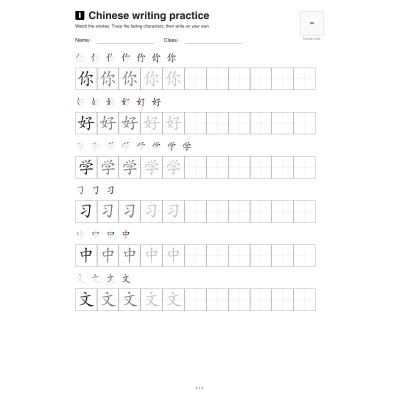
Writing Worksheets
Printable tracing sheets with a QR learning companion
Open the tool →
Chinese Text Image Generator
Create PNGs with pinyin, highlight character parts or remove strokes
Open the tool →
Picture Worksheets
Chinese and English fill-in vocabulary worksheets
Open the tool →
Stroke Order Animator
Turn a Chinese character or sentence into a GIF or MP4
Open the tool →Questions about 指桑骂槐
What does 指桑骂槐 mean?
指桑骂槐 (zhǐ sāng mà huái) is a Chinese idiom (chengyu) meaning “to make indirect accusations”.
How do you pronounce 指桑骂槐?
指桑骂槐 is pronounced zhǐ sāng mà huái in Mandarin Chinese.
What does 指桑骂槐 literally mean?
Literally, 指桑骂槐 means “point at the mulberry and scold the locust”. It is used to mean “to make indirect accusations”.
Where does 指桑骂槐 come from?
指桑骂槐 comes from a classical Chinese story dating back to ancient China. The full story is on this page.
What is the Chinese definition of 指桑骂槐?
指着桑树骂槐树。比喻表面上骂这个人,实际上是骂那个人。