Hanzi Now
CharactersIdiomsChinese NameFlashcards
Tools

Visual content

  • Chinese Text Image GeneratorCreate PNGs with pinyin, highlight character parts or remove strokes
  • Stroke Order AnimatorTurn a Chinese character or sentence into a GIF or MP4
  • Character Highlight AnimatorChoose character parts and animate their colors, together or in stroke order
  • Chinese Text Morph AnimatorTurn one Chinese character, word or phrase into another; download SVG, MP4 or WebM

Audio content

  • Chinese Text to SpeechHear Mandarin with pinyin and download audio or video

Teaching materials

  • Writing WorksheetsPreview and print Chinese writing practice with stroke order
  • Bingo CardsPicture and word Bingo for your class
  • Picture WorksheetsChinese and English fill-in vocabulary worksheets
  • Pinyin ChartExplore Mandarin initials, finals, and tones with audio and examples.

Other

  • Chinese Name TranslatorSee your name in Chinese with pinyin, audio, stroke order and a name card.
  • Pinyin ConverterConvert Chinese to pinyin, correct readings and copy or download
  • Chinese Zodiac CalculatorFind your animal sign from your birth date and make a zodiac card.
  • Chinese Word CounterCount Hanzi, words and punctuation in Chinese text
View all tools →
蕺 Chinese character image - Hanzi Now

蕺 Stroke Order — How to Write 蕺

Stroke Order

蕺 is written in 15 strokes, following the standard Chinese stroke order. Start from the radical 艹, then complete the remaining strokes.

Stroke order matters in Chinese: it keeps the character balanced, and it is how dictionaries and handwriting input methods expect a character to be written.

蕺 Radical and Character Components

Components:艹戢

蕺 is a phono-semantic compound: 艹 (plant) carries the meaning, while 戢 indicates the sound.

Radical: 艹 + 13 more strokes

蕺 Pronunciation and Pinyin

  • jí

Meanings of 蕺 in Chinese

1

jí蕺

Houttuynia cordata (also known as fish mint), a perennial herbaceous plant with a distinctive fishy smell, used in traditional medicine for its properties.
蕺菜具有清热解毒的功效,常用于草药茶饮中。
Houttuynia cordata has the effect of clearing heat and detoxifying, and is often used in herbal tea.

Common Words and Phrases with 蕺

1
jí蕺cài菜
Houttuynia cordata (also known as fish mint), a perennial herbaceous plant known for its distinct fishy smell and use in traditional Chinese medicine.
夏天,奶奶会采摘一些新鲜的蕺菜,用来煮汤或凉拌,味道特别。
In summer, Grandma would pick some fresh Houttuynia cordata to make soup or a cold salad, and it tastes special.

Recommended tools

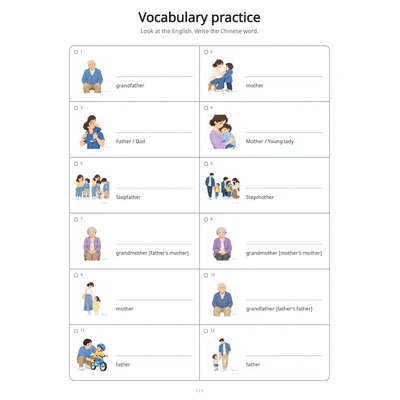
Picture Worksheets

Chinese and English fill-in vocabulary worksheets

Open the tool →
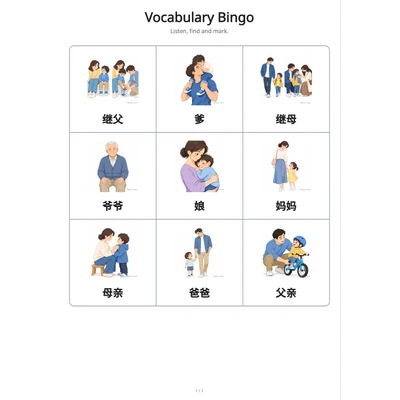
Bingo Cards

Picture and word Bingo for your class

Open the tool →

Character Highlight Animator

Choose character parts and animate their colors, together or in stroke order

Open the tool →
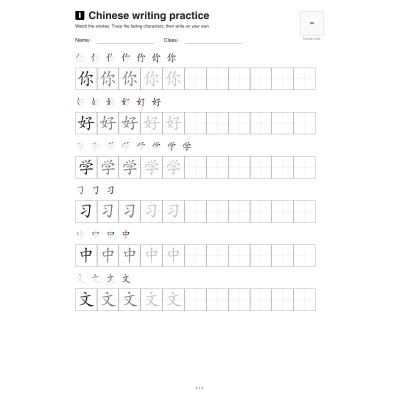
Writing Worksheets

Preview and print Chinese writing practice with stroke order

Open the tool →

Questions about 蕺

What does 蕺 mean in Chinese?

蕺 (jí) means “Houttuynia cordata (also known as fish mint), a perennial herbaceous plant with a distinctive fishy smell, used in traditional medicine for its properties” in Chinese.

How do you pronounce 蕺?

蕺 is pronounced jí in Mandarin Chinese.

How many strokes does 蕺 have?

蕺 has 15 strokes.

How do you write 蕺?

蕺 is written in 15 strokes, starting from the radical 艹. See the animated stroke order on this page.

What is the radical of 蕺?

The radical of 蕺 is 艹, and 蕺 is a phono-semantic compound.

Hanzi Now

Explore the charm of Chinese language

Explore

  • Characters
  • Idioms
  • Chinese Names
  • Flashcards

Tools

  • Chinese Text Image Generator
  • Stroke Order Animator
  • Character Highlight Animator
  • Bingo Cards
  • Picture Worksheets
  • All Tools

More

  • Blog
  • Privacy Policy
  • Terms of Service
© 2026 Hanzi NowContact Us