


豳 Stroke Order — How to Write 豳
豳 is written in 17 strokes, following the standard Chinese stroke order. Start from the radical 豕, then complete the remaining strokes.
Stroke order matters in Chinese: it keeps the character balanced, and it is how dictionaries and handwriting input methods expect a character to be written.
豳 Radical and Character Components
豳 is a phono-semantic compound: 山 (mountain) carries the meaning, while 豩 indicates the sound.
Radical: 豕 + 10 more strokes
豳 Pronunciation and Pinyin
- bīn
Meanings of 豳 in Chinese
bīn豳
Words with 豳
Recommended tools
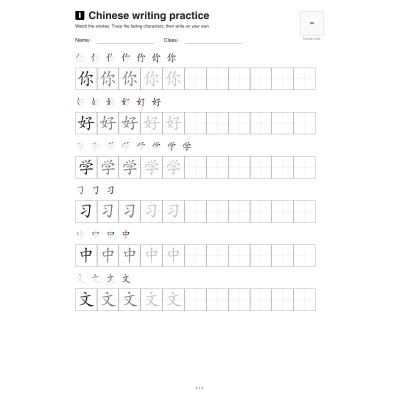
Writing Worksheets
Printable tracing sheets with a QR learning companion
Open the tool →
Character Highlight Animator
Choose character parts and animate their colors, together or in stroke order
Open the tool →
Stroke Order Animator
Turn a Chinese character or sentence into a GIF or MP4
Open the tool →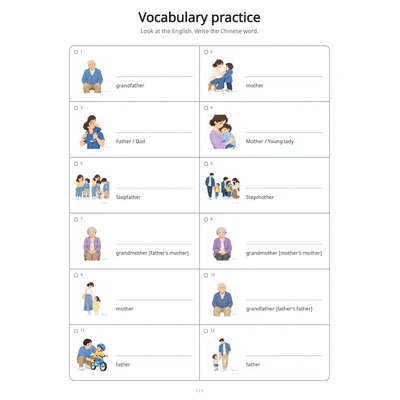
Picture Worksheets
Chinese and English fill-in vocabulary worksheets
Open the tool →Questions about 豳
What does 豳 mean in Chinese?
豳 (bīn) means “An ancient place name” in Chinese.
How do you pronounce 豳?
豳 is pronounced bīn in Mandarin Chinese.
How many strokes does 豳 have?
豳 has 17 strokes.
How do you write 豳?
豳 is written in 17 strokes, starting from the radical 豕. See the animated stroke order on this page.
What is the radical of 豳?
The radical of 豳 is 豕, and 豳 is a phono-semantic compound.