Hanzi Now
CharactersIdiomsChinese NameFlashcards
Tools

Visual content

  • Chinese Text Image GeneratorCreate PNGs with pinyin, highlight character parts or remove strokes
  • Stroke Order AnimatorTurn a Chinese character or sentence into a GIF or MP4
  • Character Highlight AnimatorChoose character parts and animate their colors, together or in stroke order
  • Chinese Text Morph AnimatorTurn one Chinese character, word or phrase into another; download SVG, MP4 or WebM

Audio content

  • Chinese Text to SpeechHear Mandarin with pinyin and download audio or video

Teaching materials

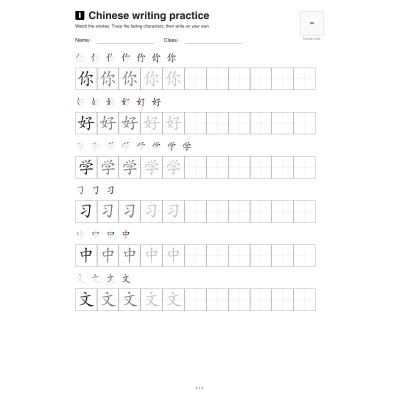
  • Writing WorksheetsPreview and print Chinese writing practice with stroke order
  • Bingo CardsPicture and word Bingo for your class
  • Picture WorksheetsChinese and English fill-in vocabulary worksheets
  • Pinyin ChartExplore Mandarin initials, finals, and tones with audio and examples.

Other

  • Chinese Name TranslatorSee your name in Chinese with pinyin, audio, stroke order and a name card.
  • Pinyin ConverterConvert Chinese to pinyin, correct readings and copy or download
  • Chinese Zodiac CalculatorFind your animal sign from your birth date and make a zodiac card.
  • Chinese Word CounterCount Hanzi, words and punctuation in Chinese text
View all tools →
貘 Chinese character image - Hanzi Now

貘 Stroke Order — How to Write 貘

Stroke Order

貘 is written in 17 strokes, following the standard Chinese stroke order. Start from the radical 豸, then complete the remaining strokes.

Stroke order matters in Chinese: it keeps the character balanced, and it is how dictionaries and handwriting input methods expect a character to be written.

貘 Radical and Character Components

Components:豸莫

貘 is a phono-semantic compound: 豸 (beast) carries the meaning, while 莫 indicates the sound.

Radical: 豸 + 11 more strokes

貘 Pronunciation and Pinyin

  • mò

Meanings of 貘 in Chinese

1

mò貘

A mammal (tapir) similar to a rhinoceros in build, with a long, flexible snout and no horns, found in tropical regions.
貘是一种生活在热带雨林中的奇特哺乳动物。
The tapir is a peculiar mammal that lives in tropical rainforests.

Recommended tools

Writing Worksheets

Preview and print Chinese writing practice with stroke order

Open the tool →

Picture Worksheets

Chinese and English fill-in vocabulary worksheets

Open the tool →
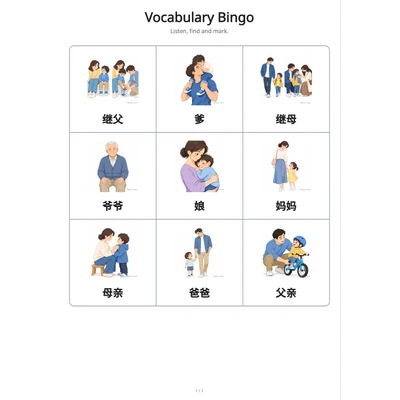
Bingo Cards

Picture and word Bingo for your class

Open the tool →

Character Highlight Animator

Choose character parts and animate their colors, together or in stroke order

Open the tool →

Questions about 貘

What does 貘 mean in Chinese?

貘 (mò) means “A mammal (tapir) similar to a rhinoceros in build, with a long, flexible snout and no horns, found in tropical regions” in Chinese.

How do you pronounce 貘?

貘 is pronounced mò in Mandarin Chinese.

How many strokes does 貘 have?

貘 has 17 strokes.

How do you write 貘?

貘 is written in 17 strokes, starting from the radical 豸. See the animated stroke order on this page.

What is the radical of 貘?

The radical of 貘 is 豸, and 貘 is a phono-semantic compound.

Hanzi Now

Explore the charm of Chinese language

Explore

  • Characters
  • Idioms
  • Chinese Names
  • Flashcards

Tools

  • Chinese Text Image Generator
  • Stroke Order Animator
  • Character Highlight Animator
  • Bingo Cards
  • Picture Worksheets
  • All Tools

More

  • Blog
  • Privacy Policy
  • Terms of Service
© 2026 Hanzi NowContact Us