


硐 Stroke Order — How to Write 硐
硐 is written in 11 strokes, following the standard Chinese stroke order. Start from the radical 石, then complete the remaining strokes.
Stroke order matters in Chinese: it keeps the character balanced, and it is how dictionaries and handwriting input methods expect a character to be written.
硐 Radical and Character Components
硐 is a phono-semantic compound: 石 (rock) carries the meaning, while 同 indicates the sound.
Radical: 石 + 6 more strokes
硐 Pronunciation and Pinyin
- dòng
Meanings of 硐 in Chinese
dòng硐
Common Words and Phrases with 硐
More words with 硐
Recommended tools
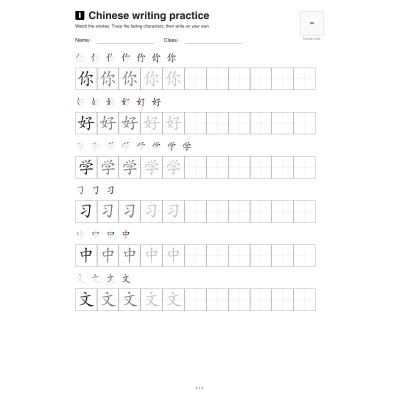
Writing Worksheets
Printable tracing sheets with a QR learning companion
Open the tool →
Stroke Order Animator
Turn a Chinese character or sentence into a GIF or MP4
Open the tool →
Bingo Cards
Picture and word Bingo for your class
Open the tool →
Character Highlight Animator
Choose character parts and animate their colors, together or in stroke order
Open the tool →Questions about 硐
What does 硐 mean in Chinese?
硐 (dòng) means “A cave” in Chinese.
How do you pronounce 硐?
硐 is pronounced dòng in Mandarin Chinese.
How many strokes does 硐 have?
硐 has 11 strokes.
How do you write 硐?
硐 is written in 11 strokes, starting from the radical 石. See the animated stroke order on this page.
What is the radical of 硐?
The radical of 硐 is 石, and 硐 is a phono-semantic compound.