


知错就改 — “To correct one's mistakes as soon as one realizes them”
知错就改 is a Chinese idiom (chengyu) meaning “to correct one's mistakes as soon as one realizes them”. To be quick to mend one's ways. Literally, “know wrong then mend”.
知错就改 Pronunciation and Pinyin
知错就改 Character Breakdown
Stroke OrderExample Sentence with 知错就改
Origin and Story of 知错就改
Zuo Xiong, the Shangshu Ling (Director of the Imperial Secretariat), once recommended Zhou Ju, the Governor of Jizhou, to be a Shangshu, and also recommended Feng Zhi, another Governor of Jizhou, to be a military commander.
Feng Zhi later committed a crime involving embezzlement. Consequently, Zhou Ju submitted a memorial to impeach Zuo Xiong. Puzzled, Zuo Xiong asked Zhou Ju why he did this.
Zhou Ju cited the example of Zhao Xuanzi supporting Han Jue in killing his own servant. Zuo Xiong immediately realized his mistake and forgave Zhou Ju.
Idioms Related to 知错就改
Synonyms of 知错就改
Antonyms of 知错就改
More idioms starting with 知
- zhī知yī一wàn万bì毕Grasp one, comprehend all
- zhī知yī一bù不zhī知shí十know one aspect, not the whole
- zhī知yī一ér而bù不zhī知èr二know one but not two
- zhī知bù不zhà诈yú愚The wise do not deceive the foolish
- zhī知yì义duō多qíng情understanding of loyalty and full of tender feelings
- zhī知zhī之wéi为zhī知zhī之,,bù不zhī知wèi为bù不zhī知know what you know, admit what you don't
- zhī知zhī之fēi非jiān艰,,xíng行zhī之wéi惟jiān艰Knowing is easy, doing is hard
- zhī知zhī之fēi非nàn难,,xíng行zhī之bù不yì易Knowing is easy, doing is hard
- zhī知shū书míng明lǐ理cultured and reasonable
- zhī知shū书zhī知lǐ礼well-educated and well-mannered
- zhī知shū书shí识zì字educated and literate
- zhī知shū书shí识lǐ礼educated and well-mannered
Recommended tools
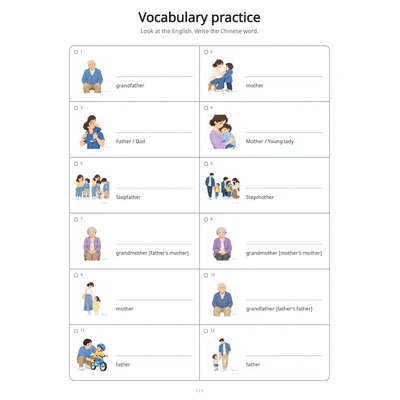
Picture Worksheets
Chinese and English fill-in vocabulary worksheets
Open the tool →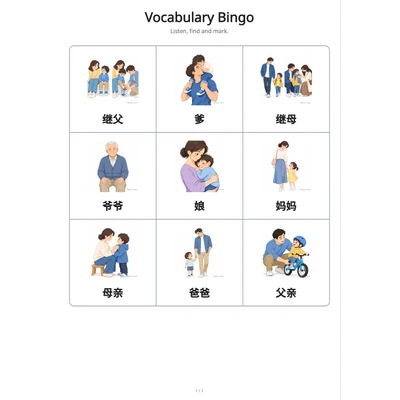
Bingo Cards
Picture and word Bingo for your class
Open the tool →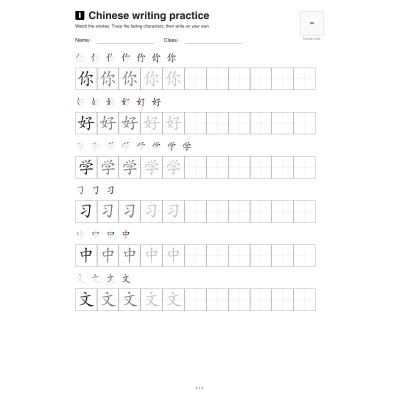
Writing Worksheets
Printable tracing sheets with a QR learning companion
Open the tool →
Chinese Text Image Generator
Create PNGs with pinyin, highlight character parts or remove strokes
Open the tool →Questions about 知错就改
What does 知错就改 mean?
知错就改 (zhī cuò jiù gǎi) is a Chinese idiom (chengyu) meaning “to correct one's mistakes as soon as one realizes them”.
How do you pronounce 知错就改?
知错就改 is pronounced zhī cuò jiù gǎi in Mandarin Chinese.
What does 知错就改 literally mean?
Literally, 知错就改 means “know wrong then mend”. It is used to mean “to correct one's mistakes as soon as one realizes them”.
Where does 知错就改 come from?
知错就改 comes from a classical Chinese story dating back to modern Chinese. The full story is on this page.
What is the Chinese definition of 知错就改?
知道自己错了就立即改正