Hanzi Now
CharactersIdiomsChinese NameFlashcards
Tools

Visual content

  • Chinese Text Image GeneratorCreate PNGs with pinyin, highlight character parts or remove strokes
  • Stroke Order AnimatorTurn a Chinese character or sentence into a GIF or MP4
  • Character Highlight AnimatorChoose character parts and animate their colors, together or in stroke order
  • Chinese Text Morph AnimatorTurn one Chinese character, word or phrase into another; download SVG, MP4 or WebM

Audio content

  • Chinese Text to SpeechHear Mandarin with pinyin and download audio or video

Teaching materials

  • Writing WorksheetsPreview and print Chinese writing practice with stroke order
  • Bingo CardsPicture and word Bingo for your class
  • Picture WorksheetsChinese and English fill-in vocabulary worksheets
  • Pinyin ChartExplore Mandarin initials, finals, and tones with audio and examples.

Other

  • Chinese Name TranslatorSee your name in Chinese with pinyin, audio, stroke order and a name card.
  • Pinyin ConverterConvert Chinese to pinyin, correct readings and copy or download
  • Chinese Zodiac CalculatorFind your animal sign from your birth date and make a zodiac card.
  • Chinese Word CounterCount Hanzi, words and punctuation in Chinese text
View all tools →
辕 Chinese character image - Hanzi Now

辕 Stroke Order — How to Write 辕

Stroke Order

辕 is written in 14 strokes, following the standard Chinese stroke order. Start from the radical 车, then complete the remaining strokes.

Stroke order matters in Chinese: it keeps the character balanced, and it is how dictionaries and handwriting input methods expect a character to be written.

辕 Radical and Character Components

Components:车袁

辕 is a phono-semantic compound: 车 (wheel) carries the meaning, while 袁 indicates the sound.

Radical: 车 + 10 more strokes

辕 Pronunciation and Pinyin

  • yuán

Meanings of 辕 in Chinese

1

yuán辕

The shafts of a cart or carriage, to which draught animals are hitched.
那辆马车的车辕是用坚固的木材制成的。
The shafts of that horse cart are made of sturdy wood.
In ancient times, it referred to the outer gate of a military camp or government office. By extension, it can refer to the office or headquarters itself, as seen in terms like '辕门' (yuánmén - gate of an official residence/military camp) or '行辕' (xíngyuán - temporary official residence/headquarters).
将军的行辕设在城郊,方便指挥作战
The general's temporary headquarters was established in the city's suburbs, facilitating the command of military operations.

Common Words and Phrases with 辕

1
yuán辕luó骡
A thill mule.
老张家的辕骡力气很大,总能把重物拉到山上。
Old Zhang's shaft mule is very strong and can always pull heavy loads up the mountain.
2
yuán辕mǎ马
Shaft-horse; the horse closest to the front wheels in a carriage.
老马通常被选作辕马,因为它稳定且经验丰富。
The old horse was usually chosen as the wheel horse because it was stable and experienced.
3
yuán辕mén门
The outer gate of an ancient military camp or a government office.
戏台上,演员们演出了‘辕门射戟’的经典场景。
On the stage, the actors performed the classic scene of 'Shooting the Halberd at the Camp Gate'.

More words with 辕

  • jià驾yuán辕drive a cart, pull the shafts of a cart
  • chē车yuán辕shaft, shafts
  • xíng行yuán辕traveling palace, temporary residence
  • yuán辕mén门shè射jǐ戟Shooting the halberd at the camp gate, Lu Bu's archery feat
  • zài在chē车yuán辕qián前in front of the cart shaft, before the cart shaft

Idioms with 辕

  • bài拜dǎo倒yuán辕mén门admire greatly and willingly admit defeat
  • gǎi改yuán辕yì易zhé辙change one's approach or methods
  • nán南yuán辕běi北zhé辙act contrary to one's goal
  • nán南zhào棹běi北yuán辕constantly traveling in different directions
  • nú驽jì骥tóng同yuán辕mix the competent with the incompetent
  • pān攀yuán辕kòu扣mǎ马eagerly implore someone to stay
  • táng螳bì臂dāng当yuán辕overestimate strength, futile attempt
  • bān扳yuán辕wò卧zhé辙urge a good official to stay
  • běi北yuán辕shì适chǔ楚actions contrary to purpose
  • běi北yuán辕shì适yuè粤act in a way that defeats one's purpose
  • běi北zhé辙nán南yuán辕act contrary to one's goals
  • jī击yuán辕zhī之gē歌Folk songs expressing sentiments of ordinary people

Recommended tools
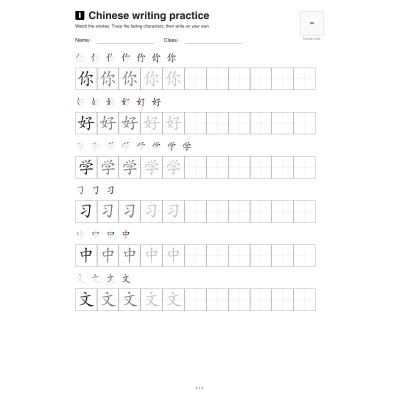
Writing Worksheets

Preview and print Chinese writing practice with stroke order

Open the tool →

Character Highlight Animator

Choose character parts and animate their colors, together or in stroke order

Open the tool →
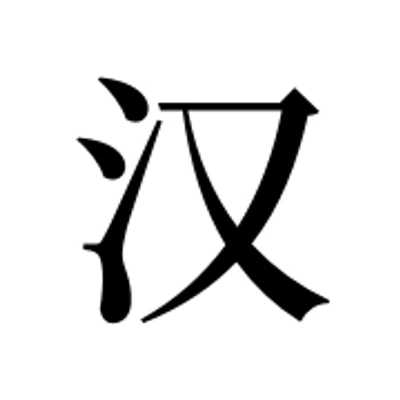
Chinese Text Image Generator

Create PNGs with pinyin, highlight character parts or remove strokes

Open the tool →

Stroke Order Animator

Turn a Chinese character or sentence into a GIF or MP4

Open the tool →

Questions about 辕

What does 辕 mean in Chinese?

辕 (yuán) means “The shafts of a cart or carriage” in Chinese.

How do you pronounce 辕?

辕 is pronounced yuán in Mandarin Chinese.

How many strokes does 辕 have?

辕 has 14 strokes.

How do you write 辕?

辕 is written in 14 strokes, starting from the radical 车. See the animated stroke order on this page.

What is the radical of 辕?

The radical of 辕 is 车, and 辕 is a phono-semantic compound.

Hanzi Now

Explore the charm of Chinese language

Explore

  • Characters
  • Idioms
  • Chinese Names
  • Flashcards

Tools

  • Chinese Text Image Generator
  • Stroke Order Animator
  • Character Highlight Animator
  • Bingo Cards
  • Picture Worksheets
  • All Tools

More

  • Blog
  • Privacy Policy
  • Terms of Service
© 2026 Hanzi NowContact Us