


画鬼容易画人难 — “It is easy to paint a ghost, but difficult to paint a man”
画鬼容易画人难 is a Chinese idiom (chengyu) meaning “it implies that it is easier to talk about or create something abstract, imagined, or baseless than to accurately depict or achieve something concrete, realistic, and requiring genuine skill or deep understanding”. Literally, “It is easy to paint a ghost, but difficult to paint a man”.
画鬼容易画人难 Pronunciation and Pinyin
Explore sounds & tones画鬼容易画人难 Character Breakdown
Example Sentence with 画鬼容易画人难
Origin and Story of 画鬼容易画人难
During the Warring States period, King Qi wanted a portrait and was unsatisfied with many painters he had commissioned. He eventually found the most renowned painter in Qi.
The painter admitted he wasn't good at painting people but excelled at painting ghosts, which no one had ever seen.
The King asked him to paint a ghost, and in a short time, a ferocious-looking ghost appeared.
The King then sighed, realizing that 'it's easier to paint a ghost than a man.'
Idioms Related to 画鬼容易画人难
More idioms starting with 画
- huà画yī一zhī之fǎ法a uniform law or policy
- huà画zhōng中yǒu有shī诗poetry in painting
- huà画luǎn卵diāo雕xīn薪indulge in extreme extravagance
- huà画tǔ土fēn分jiāng疆divide and demarcate territory
- huà画dì地wéi为láo牢confine oneself to a designated scope
- huà画dì地wéi为láo牢,,yì议bù不rù入confined by fear, dare not overstep
- huà画dì地wéi为yù狱restrict to a specified sphere
- huà画dì地wéi为yù狱,,shì势bù不rù入Tyrannical power creates insurmountable fear
- huà画dì地zuò作yù狱confine to a designated area
- huà画dì地kè刻mù木to be jailed and interrogated
- huà画dì地chéng成tú图demonstrate exceptional talent and skill
- huà画dì地chéng成láo牢Confine oneself to a limited scope
Recommended tools
Chinese Text Image Generator
Create PNGs with pinyin, highlight character parts or remove strokes
Open the tool →
Character Highlight Animator
Choose character parts and animate their colors, together or in stroke order
Open the tool →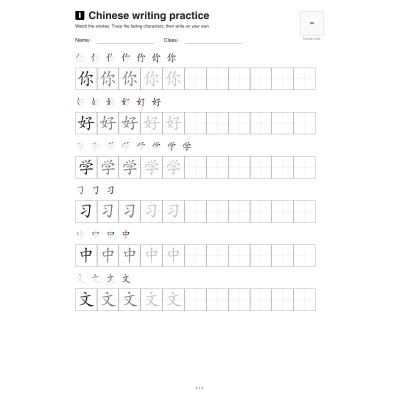
Writing Worksheets
Preview and print Chinese writing practice with stroke order
Open the tool →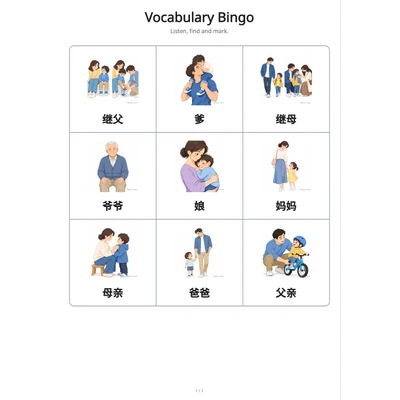
Bingo Cards
Picture and word Bingo for your class
Open the tool →Questions about 画鬼容易画人难
What does 画鬼容易画人难 mean?
画鬼容易画人难 (huà guǐ róng yì huà rén nán) is a Chinese idiom (chengyu) meaning “it implies that it is easier to talk about or create something abstract, imagined, or baseless than to accurately depict or achieve something concrete, realistic, and requiring genuine skill or deep understanding”.
How do you pronounce 画鬼容易画人难?
画鬼容易画人难 is pronounced huà guǐ róng yì huà rén nán in Mandarin Chinese.
What does 画鬼容易画人难 literally mean?
Literally, 画鬼容易画人难 means “it is easy to paint a ghost, but difficult to paint a man”. It is used to mean “it implies that it is easier to talk about or create something abstract, imagined, or baseless than to accurately depict or achieve something concrete, realistic, and requiring genuine skill or deep understanding”.
Where does 画鬼容易画人难 come from?
画鬼容易画人难 comes from a classical Chinese story dating back to ancient China. The full story is on this page.
What is the Chinese definition of 画鬼容易画人难?
比喻凭空瞎说很容易,想要有真才实学确很难